

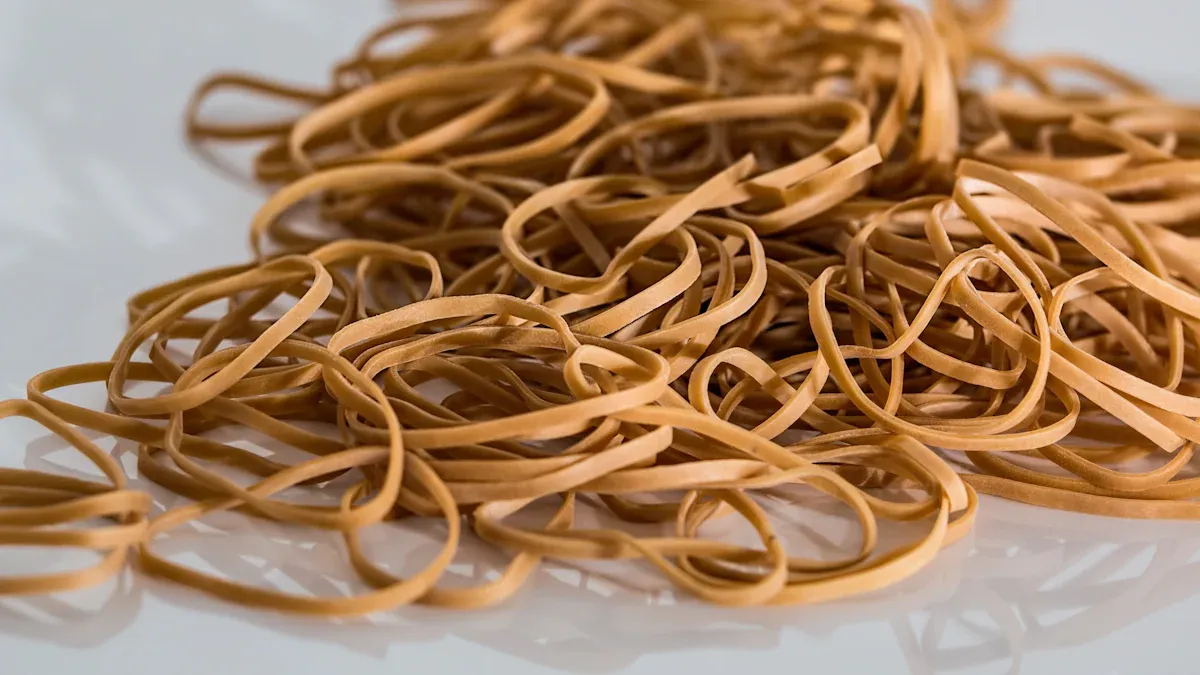
Elastic cords are flexible strands. They stretch significantly when pulled. They then return to their original shape. This unique property makes them highly functional. People use elastic rubber cords in countless everyday objects. Their widespread presence highlights their importance.
Key Takeaways
- Elastic cords stretch and return to their original shape. People use them in many everyday items.
- Elastic cords come in different types. Each type has special features for different jobs, like clothing or outdoor gear.
- Choosing the right elastic cord is important. Consider its stretch, material, and how strong it is for your project.
Exploring Diverse Forms of Elastic Cords
Construction Types of Elastic Cords
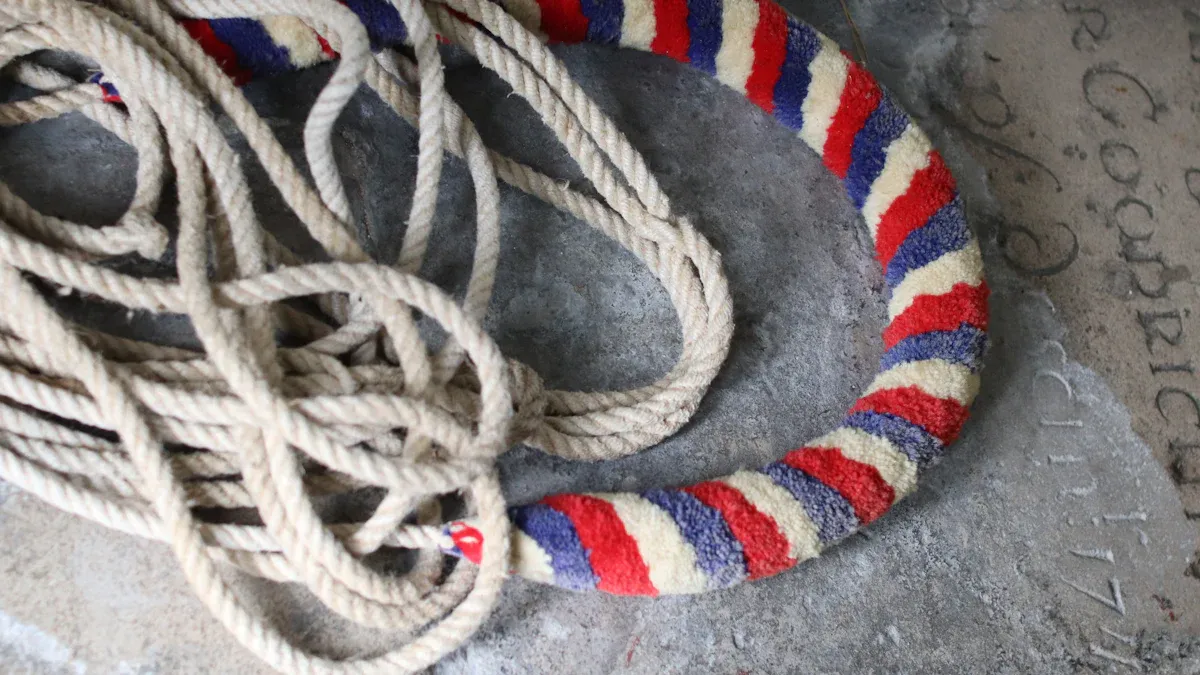
Manufacturers create elastic cords using different methods. Each method gives the cord unique features. Braided elastic is a common type. It has a solid, round shape. Braided cords offer good strength and durability. People often use them for general purposes. Knitted elastic feels soft and flat. It works well for clothing because it does not narrow when stretched. Woven elastic is another strong option. It often appears in waistbands and straps. This type holds its shape well. Bungee cord is a specific kind of elastic cord. It contains many rubber strands inside a woven outer cover. Bungee cords stretch a lot and provide great rebound.
Specialized Elastic Cords for Specific Needs
Some elastic cords have special designs for particular jobs. Shock cord is a well-known example. It offers high stretch and strong recovery. People use shock cord for camping gear, tie-downs, and securing items. Medical elastic is very soft and gentle on skin. Manufacturers make it for bandages, face masks, and medical garments. Other specialized cords resist harsh conditions. Heat-resistant elastic works in high-temperature environments. UV-resistant elastic withstands sun exposure. This makes it suitable for outdoor applications. These specialized cords meet specific performance demands.
Understanding Elastic Cord Properties
Understanding the properties of elastic cords helps in choosing the right one. Stretch percentage tells how much a cord can lengthen from its original size. A cord with a 100% stretch doubles its length. Diameter refers to the cord’s thickness. This affects its strength and how it fits into different items. Material composition is also important. Many cords use rubber or spandex (elastane) for elasticity. Polyester or nylon often form the outer cover. These materials provide strength and abrasion resistance. Strength measures how much force a cord can handle before breaking. Durability indicates how long a cord will last under regular use. It also shows its resistance to wear and tear.
Practical Applications of Elastic Cords

Elastic Cords in Apparel and Fashion
Elastic cords play a crucial role in the apparel and fashion industry. Designers use them to create comfortable and well-fitting garments. For example, waistbands in pants and skirts often contain elastic. This allows the clothing to stretch and fit various body shapes. Cuffs on sleeves and ankles also use elastic to keep them snug. Many people find elastic useful in swimwear, providing a secure fit during movement. Undergarments, like bras and underwear, rely on elastic for support and comfort. Shoelaces sometimes incorporate elastic, making shoes easy to slip on and off. Hair ties, a common accessory, use elastic to hold hair in place. These cords ensure clothing moves with the wearer, offering both flexibility and a polished look.
Elastic Cords for Craft and DIY Projects
Crafters and DIY enthusiasts frequently choose elastic cords for their projects. Their stretchy nature makes them perfect for many creative endeavors. People use them extensively in jewelry making, especially for bracelets and necklaces. The elastic allows the jewelry to stretch over a hand or head, then return to its original size. Mask makers often use soft elastic for ear loops, ensuring a comfortable fit. In scrapbooking, elastic can hold pages together or create decorative closures. Home decorators might use elastic to gather fabric for curtains or to secure cushion covers. Children’s toys and doll clothes also benefit from elastic, adding flexibility and ease of use. These cords offer versatility and ease of use for countless handmade items.
Industrial and Outdoor Uses of Elastic Cords
Beyond fashion and crafts, elastic cords serve vital functions in industrial and outdoor settings. Their strength and rebound properties make them indispensable. Bungee cords, a type of elastic cord, secure cargo on trucks and trailers. Campers use them to hold down tents and tarps, protecting against wind. In the automotive industry, elastic helps organize items in trunks or creates cargo nets. Marine applications include securing boat covers and acting as shock absorbers for dock lines. Medical facilities use elastic for straps on equipment and for patient restraints. Sports equipment, such as resistance bands and trampoline springs, also relies on elastic for performance. These durable cords withstand harsh conditions, providing reliable tension and security in demanding environments.
Choosing the Right Elastic Cords for Your Project
Factors to Consider When Selecting Elastic Cords
People carefully select elastic cords for their projects. They first think about the project’s purpose. Is it for clothing, a craft, or an industrial use? This helps them decide on the cord type. They also consider the required stretch. Some applications need a lot of give, while others need less. The cord’s material is important. Rubber provides strong rebound. Spandex offers softness and flexibility. Polyester or nylon covers add strength and resist wear. People also check the cord’s diameter or width. A thicker cord usually offers more strength. They consider the environment where the cord will be used. Will it face sun, water, or extreme temperatures? This affects the cord’s durability.
Common Mistakes to Avoid with Elastic Cords
People sometimes make errors when choosing elastic cords. A frequent mistake is selecting the wrong stretch percentage. If a cord stretches too much, it might not provide enough support. If it stretches too little, it can feel too tight or restrictive. Another error is ignoring the material composition. A cord designed for indoor crafts might not withstand outdoor conditions. People also sometimes pick a cord that lacks sufficient strength. It can break easily under pressure. They should always test a small sample first. This helps them see how the cord performs. Buying cheap, low-quality elastic often leads to disappointment. It might lose its elasticity quickly.
Elastic cords demonstrate remarkable adaptability. They serve countless purposes across many industries. From fashion to heavy-duty industrial tasks, their stretch and recovery properties are invaluable. This makes them a fundamental component in modern life. Their diverse forms ensure a suitable option exists for almost any need.
FAQ
How long do elastic cords typically last?
Elastic cords‘ lifespan varies. Material quality, frequency of use, and environmental exposure affect their durability. Proper care helps extend their life.
Can people wash elastic cords?
Yes, they can. Hand wash cords with mild soap and cold water. Air dry them completely. Avoid using harsh chemicals or machine drying.
What is the main difference between an elastic cord and a bungee cord?
A bungee cord is a specific type of elastic cord. It features multiple rubber strands encased in a woven outer cover. This design gives it high stretch and strong rebound.
Post time: Dec-19-2025