
 Choosing the right elastic bands is crucial for your manufacturing processes. The correct bands can enhance efficiency and improve product quality. When you select suitable elastic bands, you ensure that your products remain secure throughout production and distribution. This choice impacts both your workflow and your bottom line.
Key Takeaways
- Identify your specific needs before choosing elastic bands. Consider the weight and environment of the items you will secure.
- Test different types of elastic bands to find the best fit. Natural rubber works for general tasks, while synthetic options are better for heat resistance.
- Store elastic bands in a cool, dry place to maintain their elasticity and prolong their lifespan.
Types of Elastic Bands
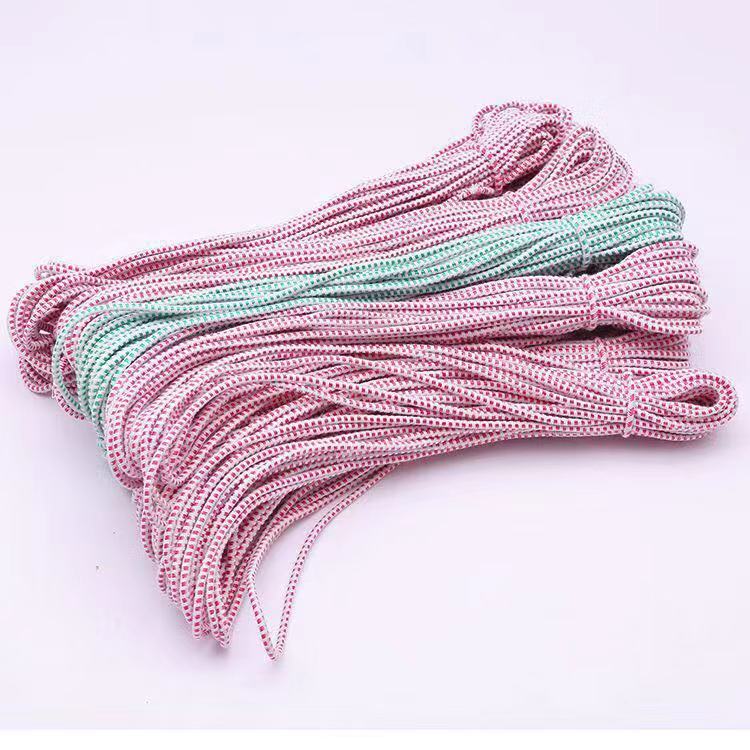 When selecting elastic bands, you will find various types designed for different applications. Understanding these types helps you make informed choices. Here are some common types of elastic bands you might encounter:
- Natural Rubber Bands:
- Made from natural rubber, these bands offer excellent elasticity and stretch.
- They work well for general use in manufacturing and packaging.
- Synthetic Rubber Bands:
- These bands are made from synthetic materials like neoprene or silicone.
- They resist heat and chemicals, making them ideal for specialized applications.
- Heavy-Duty Elastic Bands:
- Designed for more demanding tasks, these bands can handle larger loads.
- You can use them in industrial settings where strength is crucial.
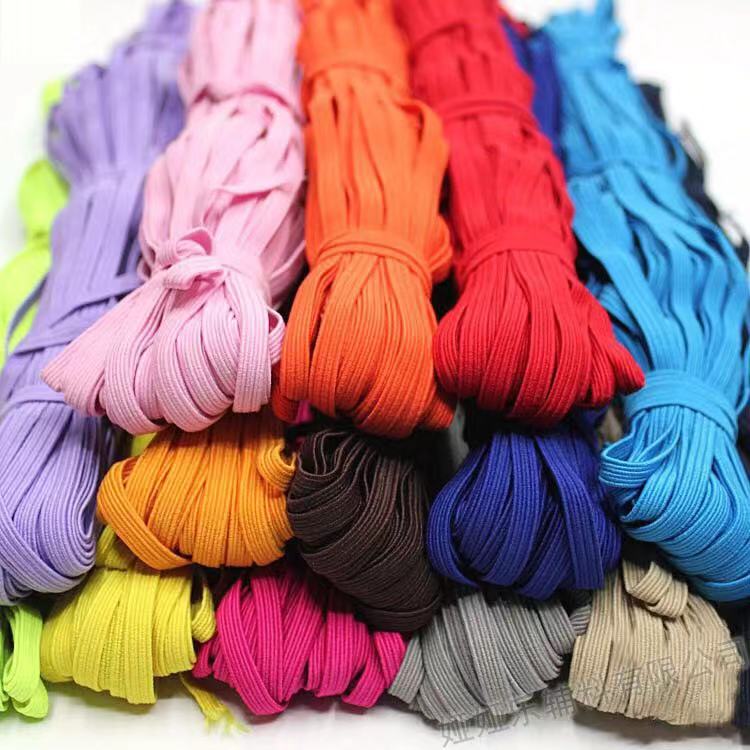
- Colored Elastic Bands:
- Available in various colors, these bands help with organization and identification.
- You can use them in settings where visual cues are important.
- Flat Elastic Bands:
- Unlike traditional round bands, flat bands provide a wider surface area.
- They are useful for securing larger items without causing damage.
Tip: Consider the specific requirements of your manufacturing process when choosing the type of elastic band. Each type has unique properties that can affect performance.
By understanding these types of elastic bands, you can select the right one for your needs. This choice can enhance your manufacturing efficiency and product quality.
Key Features of Elastic Bands
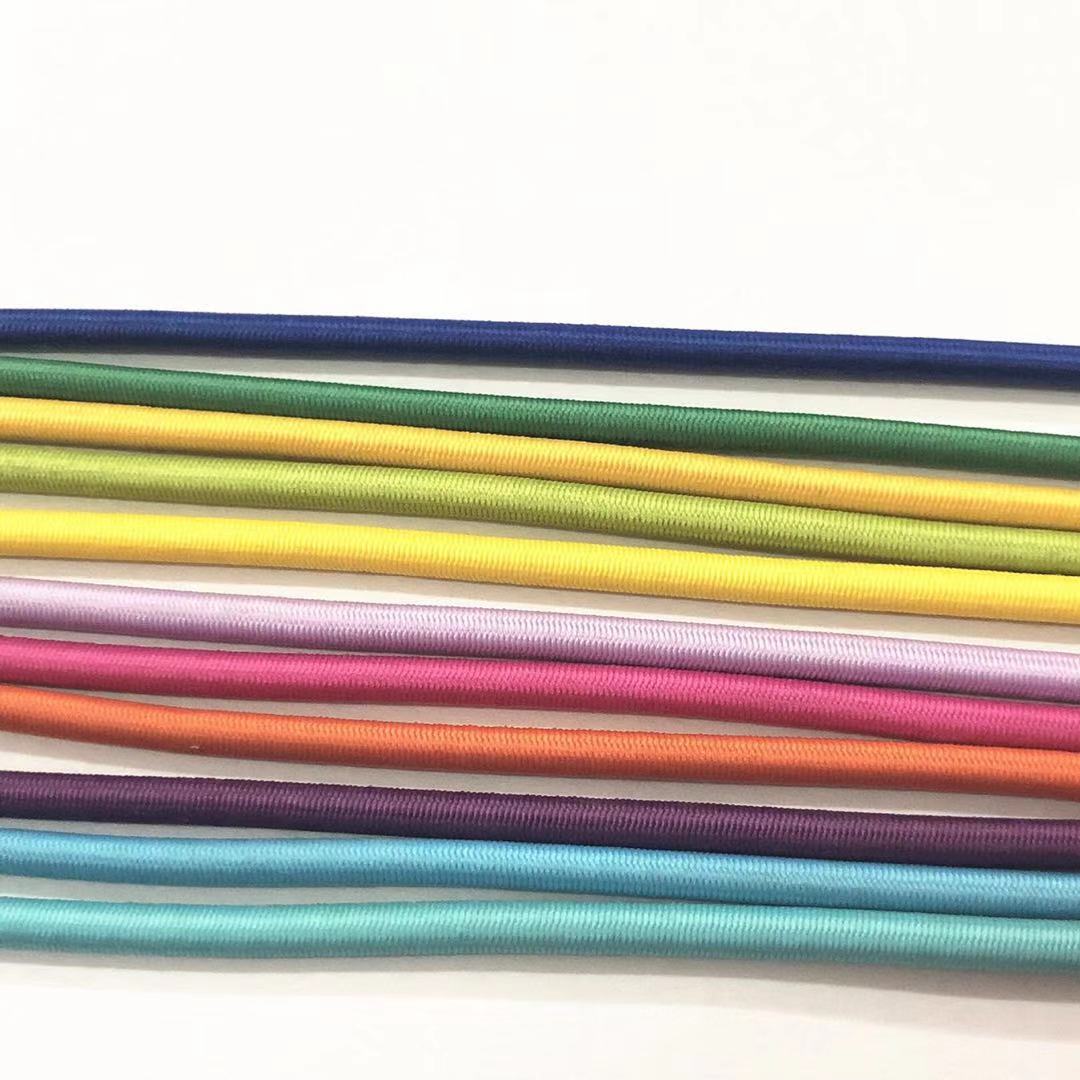 When you choose elastic bands, several key features can influence your decision. Understanding these features helps you select the best bands for your manufacturing needs. Here are some important aspects to consider:
- Elasticity:
- Elasticity refers to how much the band can stretch without breaking.
- High elasticity allows the band to return to its original shape after being stretched. This feature is crucial for maintaining tension in your products.
- Width and Thickness:
- The width and thickness of elastic bands affect their strength and load capacity.
- Thicker bands can handle heavier loads, while wider bands distribute pressure more evenly.
- Material Composition:
- The material used in elastic bands impacts their durability and performance.
- Natural rubber bands offer great stretch, while synthetic options provide resistance to heat and chemicals.
- Temperature Resistance:
- Some elastic bands can withstand extreme temperatures.
- If your manufacturing process involves heat, consider bands designed for high-temperature applications.
- Color and Visibility:
- Colored elastic bands can help with organization.
- You can use different colors to identify various products or tasks easily.
Tip: Always assess the specific requirements of your manufacturing process. The right combination of these features can enhance efficiency and product quality.
By focusing on these key features, you can make informed choices about the elastic bands you use. This attention to detail can lead to better outcomes in your manufacturing operations.
Pros and Cons of Elastic Bands
When you consider using elastic bands in your manufacturing processes, it is essential to weigh their pros and cons. Understanding these factors can help you make the best choice for your needs.
Pros:
- Versatility: Elastic bands work well in various applications. You can use them for packaging, securing items, or even organizing materials.
- Cost-Effective: These bands are generally inexpensive. You can buy them in bulk, which saves you money in the long run.
- Easy to Use: Elastic bands are simple to handle. You can quickly stretch and secure items without special tools.
- Durability: Many elastic bands resist wear and tear. They can last a long time, even in demanding environments.
Cons:
- Limited Load Capacity: Some elastic bands may not hold heavy items securely. You must choose the right type for your specific needs.
- Degradation Over Time: Elastic bands can lose elasticity with age. Exposure to sunlight or extreme temperatures can speed up this process.
- Potential Breakage: If stretched too far, elastic bands can snap. This can lead to accidents or damage to your products.
- Chemical Sensitivity: Some bands may not resist certain chemicals. You should check the material composition if your process involves harsh substances.
Tip: Always evaluate the specific requirements of your manufacturing process. This evaluation will help you decide if elastic bands are the right choice for you.
By understanding the pros and cons of elastic bands, you can make informed decisions that enhance your manufacturing efficiency.
Practical Tips for Selecting Elastic Bands
Choosing the right elastic bands can seem overwhelming. However, following a few practical tips can simplify your decision-making process. Here are some steps to guide you:
- Assess Your Needs: Start by identifying the specific tasks you need the elastic bands for. Consider the weight of the items you will secure and the environment in which you will use them.
- Test Different Types: Don’t hesitate to try various types of elastic bands. Natural rubber bands may work well for general tasks, while synthetic options might be better for heat resistance.
- Check Size and Strength: Measure the size of the items you will secure. Choose bands that fit snugly without overstretching. Remember, thicker bands usually offer more strength.
- Consider Bulk Purchasing: If you find a type of elastic band that meets your needs, consider buying in bulk. This approach can save you money and ensure you have enough supply for your manufacturing processes.
- Store Properly: Keep your elastic bands in a cool, dry place. Proper storage can extend their lifespan and maintain their elasticity.
Tip: Always keep a variety of elastic bands on hand. This variety allows you to adapt to different tasks as they arise.
By following these tips, you can confidently select the best elastic bands for your manufacturing needs. This careful selection can lead to improved efficiency and product quality.
Selecting the right elastic bands is vital for your manufacturing success. Remember to assess your needs, test different types, and consider key features. Make informed decisions to enhance efficiency and product quality. Always think about the long-term effects of your choices. Your careful selection can lead to better outcomes!
FAQ
What are the best elastic bands for heavy-duty tasks?
Choose heavy-duty elastic bands. They provide extra strength and can handle larger loads without breaking.
How should I store elastic bands?
Store elastic bands in a cool, dry place. Proper storage helps maintain their elasticity and prolongs their lifespan.
Can I use elastic bands in extreme temperatures?
Yes, but select bands specifically designed for high or low temperatures. This ensures they perform well in challenging conditions.
Post time: Feb-01-2026