


 Discover how elastic cords offer unmatched adaptability and visibility. They are the ultimate safety solution for South America’s diverse and challenging climates. These tools help people stay safe across the continent. Their unique features provide peace of mind in various environments.
Key Takeaways
- Elastic reflective cords offer great safety. They help people be seen in South America’s many different climates.
- These cords are strong and flexible. They work well in mountains, jungles, and open fields.
- Use these cords for many things. They keep hikers, workers, and cyclists safe day and night.
South America’s Climatic Extremes and Safety Needs
 A Continent of Varied Terrains and Weather
South America presents a remarkable range of environments. The towering Andes Mountains feature extreme cold and thin air. The vast Amazon Rainforest has high humidity and heavy rainfall. The Patagonian steppes experience strong, relentless winds. Deserts like the Atacama are incredibly dry. Coastal regions face different weather patterns. Each of these distinct areas creates unique challenges for safety. People working or exploring in these places need reliable protection.
Why Adaptable Safety Solutions are Crucial
These diverse conditions demand highly adaptable safety solutions. A single type of safety gear cannot effectively protect individuals across all these environments. Equipment must perform well in freezing temperatures, intense heat, torrential downpours, and low visibility. For example, a tool useful in the mountains might fail in the jungle. Therefore, safety items must offer flexibility and resilience. ELASTIC CORDS provide visibility and utility in many settings. They ensure people remain safe, no matter the climate or terrain.
Understanding Elastic Reflective Cords and Their Superiority
Defining Elastic Cords: Material and Functionality
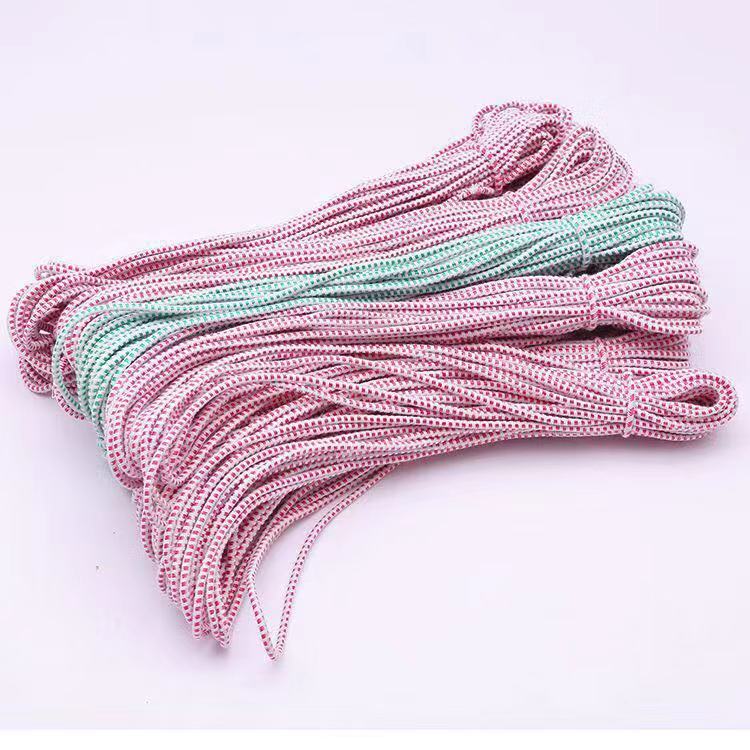
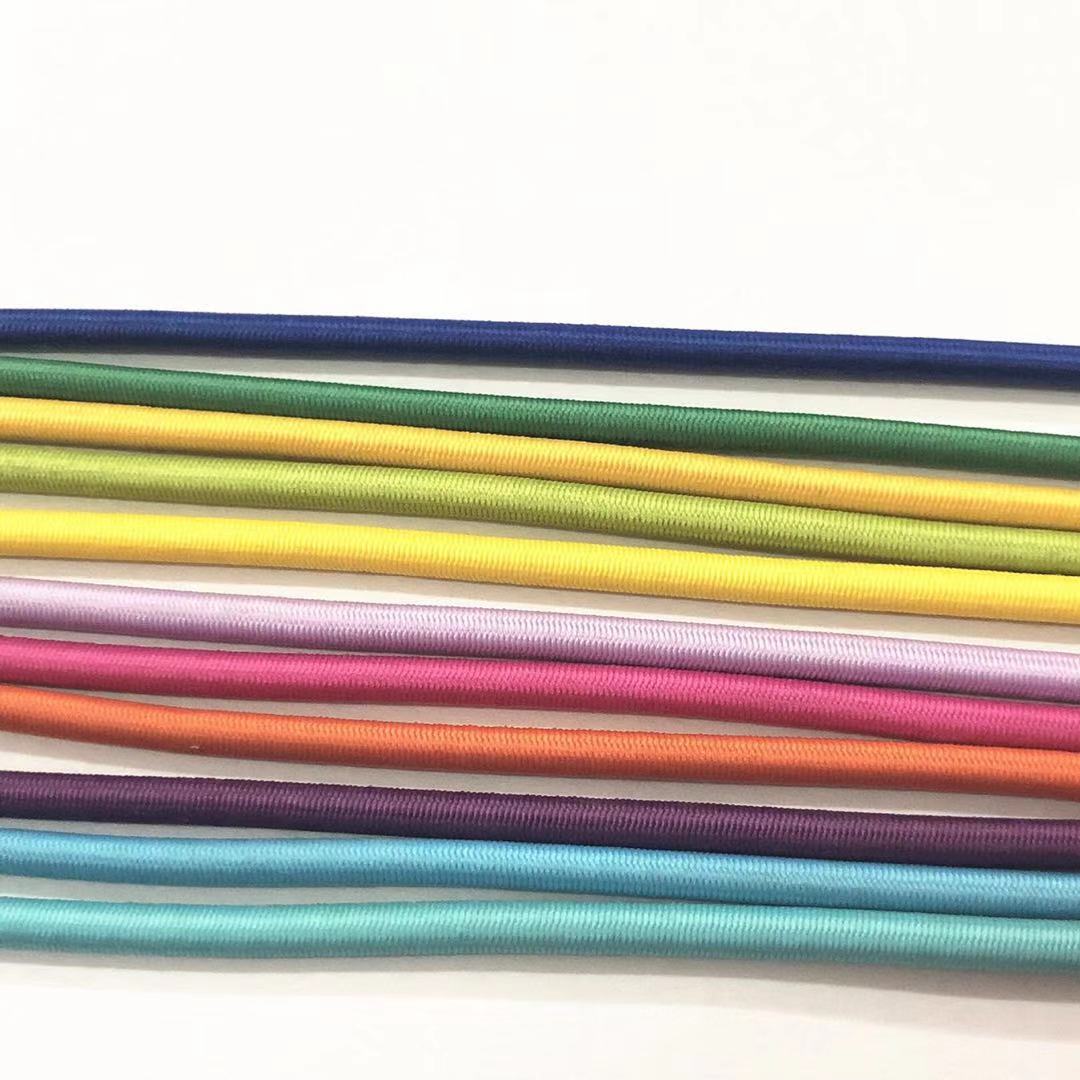
Elastic reflective cords are specialized safety tools. They combine stretchable materials with highly visible reflective elements. The core of these cords consists of elastic fibers. These fibers allow the cord to stretch and return to its original length. This elasticity makes the cords very adaptable. A durable outer sheath covers the elastic core. This sheath often contains retro-reflective threads or coatings. These reflective parts bounce light directly back to its source. This makes the cords shine brightly in low-light conditions.
The functionality of these cords is straightforward yet effective. They provide both flexibility and visibility. People can attach them to clothing, backpacks, or equipment. The cords move with the user. They do not restrict movement. Their reflective properties ensure others can see the user from a distance. This is especially important at night or in bad weather. The combination of elasticity and reflectivity offers a unique safety advantage.
Key Advantages of Elastic Reflective Cords Over Traditional Gear
Elastic reflective cords offer many benefits compared to older safety equipment. Traditional gear often includes rigid reflective tape or non-elastic ropes. These older options have limitations.
Here are the main advantages of elastic reflective cords:
- Superior Flexibility: Elastic cords stretch and conform to different shapes. They move with the body. This makes them comfortable for long periods. Rigid tape can peel off or crack. Non-elastic ropes can feel restrictive.
- Enhanced Durability: Manufacturers design these cords to withstand harsh conditions. They resist abrasion, moisture, and UV rays. This makes them suitable for South America’s varied climates. Traditional gear might degrade faster in extreme heat, cold, or humidity.
- High Visibility: The reflective elements are often woven into the cord. This provides 360-degree visibility. Light from any angle makes them glow. This is more effective than flat reflective patches. Flat patches only reflect light from a direct angle.
- Versatility in Use: People can use elastic reflective cords for many purposes. They secure gear, mark trails, or enhance personal visibility. Their adaptability makes them useful for hikers, cyclists, and workers.
- Comfort and Non-Restriction: The elastic nature means they do not pull or chafe. They allow full range of motion. This is crucial for active individuals. It also helps workers who need to move freely.
- Easy Application and Removal: Users can quickly attach and detach these cords. They often feature simple clips or loops. This saves time and effort.
These advantages make ELASTIC CORDS a superior choice for safety. They provide reliable protection in challenging environments. They outperform traditional options in comfort, durability, and visibility.
Elastic Reflective Cords in Andean Highlands
Enhancing Safety in Cold, Wind, and Low Visibility
The Andean Highlands present significant safety challenges. Extreme cold temperatures are common. Strong winds sweep across the open landscapes. Low visibility often occurs due to fog, snow, or darkness. These conditions make it difficult for people to see each other. They also make it hard to locate equipment. ELASTIC CORDS offer a vital solution. Their reflective properties ensure visibility even in poor light. They reflect light from headlamps or vehicle lights. This helps prevent accidents. The cords’ elasticity allows them to withstand strong winds. They stretch and move without breaking. Their durable materials resist cold and moisture. This makes them reliable in harsh mountain environments. They provide a constant visual presence. This is crucial for safety in these remote and unforgiving regions.
Practical Uses for Hikers and Workers
Hikers in the Andes find these cords very useful. They attach them to backpacks or clothing. This increases their visibility to others on trails. Hikers also use them to mark routes in snowy or foggy conditions. They can secure gear to their packs. The cords prevent items from falling off. Workers in the Andean Highlands also benefit greatly. Construction crews use them to mark hazardous areas. Miners wear them for visibility in low-light tunnels or at night. Researchers working in remote mountain areas attach them to equipment. This helps them find tools in dense fog or after dark. The cords’ flexibility means they do not hinder movement. Their bright reflection provides essential safety. They help ensure people remain seen and safe during their activities.
Elastic Reflective Cords in the Amazon Rainforest
Navigating Humidity, Dense Foliage, and Downpours
The Amazon Rainforest presents significant environmental challenges. High humidity saturates the air and all equipment. Dense foliage creates a perpetual twilight, even during daylight hours. Frequent, heavy downpours further reduce visibility to near zero. Traditional safety gear often struggles in these extreme conditions, quickly degrading or losing effectiveness. ELASTIC CORDS provide a robust and reliable solution. Their specialized materials resist moisture absorption and prevent mildew growth, a common problem in the jungle. They maintain their reflective properties even when completely wet. This ensures visibility in the dim light under the canopy or during heavy rain. The cords effectively reflect light from flashlights or headlamps. This helps people see each other and their surroundings, preventing accidents. Their inherent flexibility allows easy movement through thick vegetation. They do not snag or break easily, which is crucial for navigating the challenging jungle environment.
Essential for Explorers and Researchers
Explorers and researchers find these cords indispensable for their critical work. They use them to mark paths through the often-trackless jungle, preventing team members from getting lost in unfamiliar territory. Researchers attach the cords to valuable scientific equipment, such as sensors or cameras. This helps them quickly locate tools or samples in dense undergrowth, saving precious time. The cords also significantly enhance personal safety for individuals. They make team members highly visible to each other, especially during night expeditions or in torrential rain. People secure essential gear to their backpacks, boats, or vehicles with the cords. This prevents items from falling off into the mud or water, protecting valuable supplies. The cords’ adaptability ensures safety and efficiency for anyone working or exploring in the vast and challenging Amazon.
Elastic Reflective Cords in the Patagonian Steppe
Battling Strong Winds and Open Spaces
The Patagonian Steppe is famous for its powerful, constant winds. It also features vast, open landscapes. These conditions create unique safety challenges. Strong winds can easily dislodge gear or make people lose their balance. The wide-open spaces mean people can become separated or lost. Visibility can also be poor, especially at dawn or dusk. Elastic reflective cords offer excellent solutions here. Their flexible nature allows them to stretch and absorb wind forces. This prevents them from snapping or breaking. They securely attach to clothing or equipment. This keeps items from blowing away. The cords’ reflective properties make people and objects highly visible across long distances. This is crucial in areas with few landmarks. They reflect light from vehicles or flashlights, ensuring others see them clearly.
Benefits for Outdoor Enthusiasts and Ranchers
Outdoor enthusiasts find elastic reflective cords very useful in Patagonia. Hikers attach them to backpacks. This increases their visibility on trails. Campers use them to secure tents and gear. The cords make tent guy lines visible at night. This prevents tripping hazards. Ranchers also benefit greatly from these cords. They often work in remote areas. They use the cords to mark fences or gates. This helps them navigate in low light. Ranchers also attach the cords to their tools or vehicles. This makes equipment easier to find in vast fields. The cords provide personal visibility for ranchers on horseback or ATVs. This enhances their safety during patrols. The cords’ durability and visibility make them essential for anyone in the Patagonian Steppe.
Urban and Rural Road Safety with Elastic Reflective Cords
 Improving Nighttime and Low-Light Visibility
Road safety is a major concern in both cities and rural areas. Many accidents happen at night or in low-light conditions. Drivers often struggle to see pedestrians, cyclists, or workers. Elastic reflective cords greatly improve visibility. They reflect light from vehicle headlights. This makes people stand out clearly against dark backgrounds. The cords shine brightly, alerting drivers to a person’s presence. This early warning gives drivers more time to react. It helps prevent collisions. The cords work well in fog, rain, or dim light. They provide a crucial layer of safety when natural light is scarce.
Protecting Pedestrians, Cyclists, and Roadside Workers
ELASTIC CORDS offer vital protection for various road users. Pedestrians can wear them on clothing or bags. This makes them visible when walking along roadsides. Cyclists attach them to bikes or helmets. This increases their visibility to cars, especially at intersections. Roadside workers face constant danger from passing traffic. They wear these cords on their safety vests or equipment. This ensures drivers see them clearly, day or night. The cords’ flexibility allows free movement. They do not hinder work tasks. Their bright reflection helps keep everyone safer on busy streets and quiet country roads.
Choosing the Right Elastic Cords for Your Needs
Factors: Length, Diameter, and Reflectivity
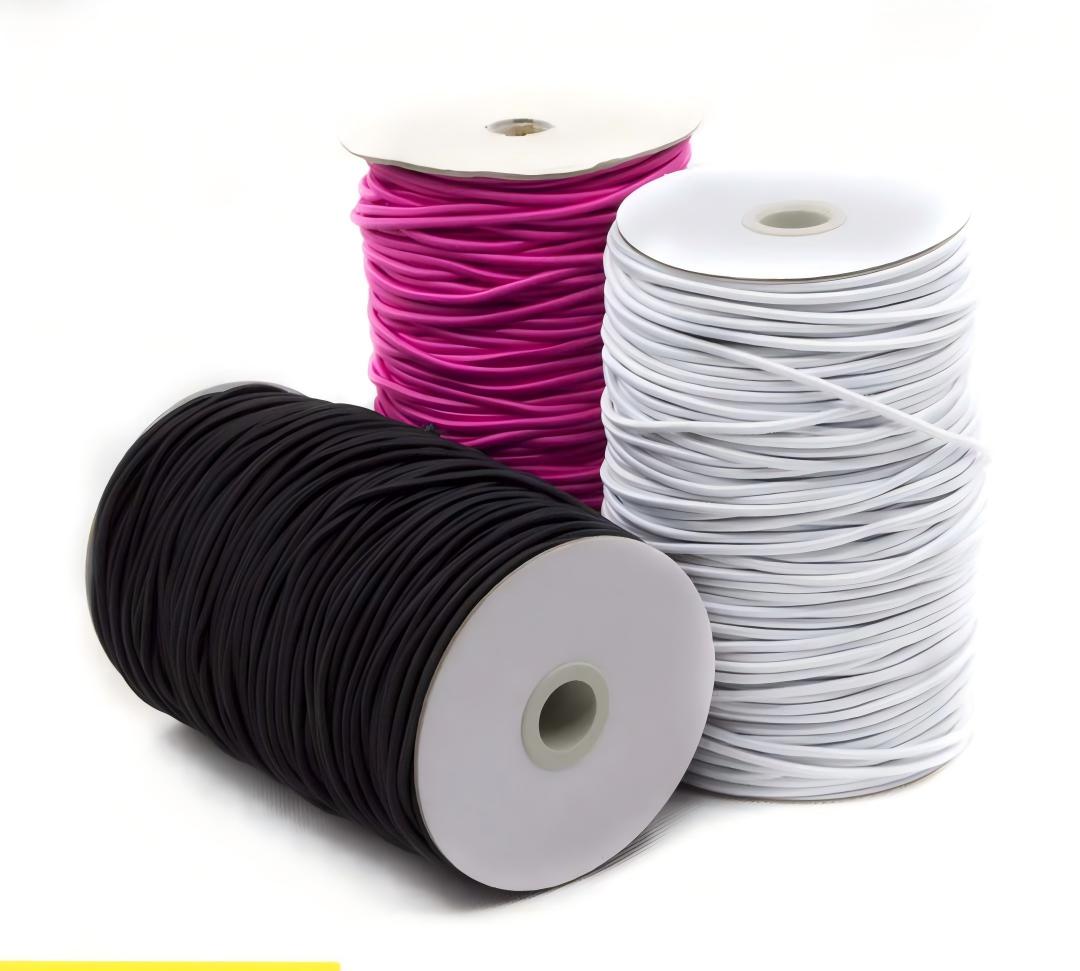
Selecting the correct elastic reflective cords ensures maximum safety and utility. Consider three main factors: length, diameter, and reflectivity. The required length depends on the intended use. Shorter cords work well for attaching to clothing or small gear. Longer cords are better for marking trails, securing larger equipment, or creating perimeter warnings.
Diameter affects strength and visibility. Thicker cords offer greater durability and a more noticeable reflective surface. They suit heavy-duty applications or situations needing high visibility. Thinner cords are lighter and more flexible. They are ideal for subtle applications or when minimal bulk is important.
Reflectivity levels also vary. Some cords have woven reflective threads, offering 360-degree visibility. Others feature a reflective coating on one side. Choose higher reflectivity for extremely low-light conditions or high-traffic areas. Lower reflectivity might suffice for general use or as a secondary safety measure. Matching these factors to your specific activity guarantees optimal performance.
Maintenance for Longevity and Effectiveness
Proper care extends the life and effectiveness of your ELASTIC CORDS. Regular maintenance ensures they remain reliable safety tools. After use, clean the cords with mild soap and water. This removes dirt, mud, or sweat. Rinse them thoroughly and allow them to air dry completely before storage. Avoid harsh chemicals or machine washing, as these can damage the elastic fibers and reflective materials.
Store the cords in a cool, dry place away from direct sunlight. UV rays can degrade elastic over time, reducing its stretch and strength. Extreme temperatures also affect material integrity. Periodically inspect your cords for signs of wear. Look for fraying, cuts, or loss of elasticity. Check the reflective elements for fading or peeling. Replace any damaged cords immediately. A well-maintained cord provides consistent visibility and reliable performance, keeping you safer in diverse environments.
Elastic reflective cords are a crucial, flexible safety solution. They perfectly suit the unique and varied demands of South America’s diverse climates. People embrace these adaptable tools for enhanced visibility. They also provide peace of mind across countless activities and professions. These cords offer reliable protection in any environment.
FAQ
What makes elastic reflective cords visible at night?
Special threads or coatings reflect light. This makes the cords shine brightly. Drivers and others see them easily in low light. ✨
Can these cords withstand South America’s diverse climates?
Yes, they resist moisture and temperature changes. Manufacturers design them for harsh conditions. They remain effective in rain, cold, or heat.
Post time: Dec-19-2025