Introduction
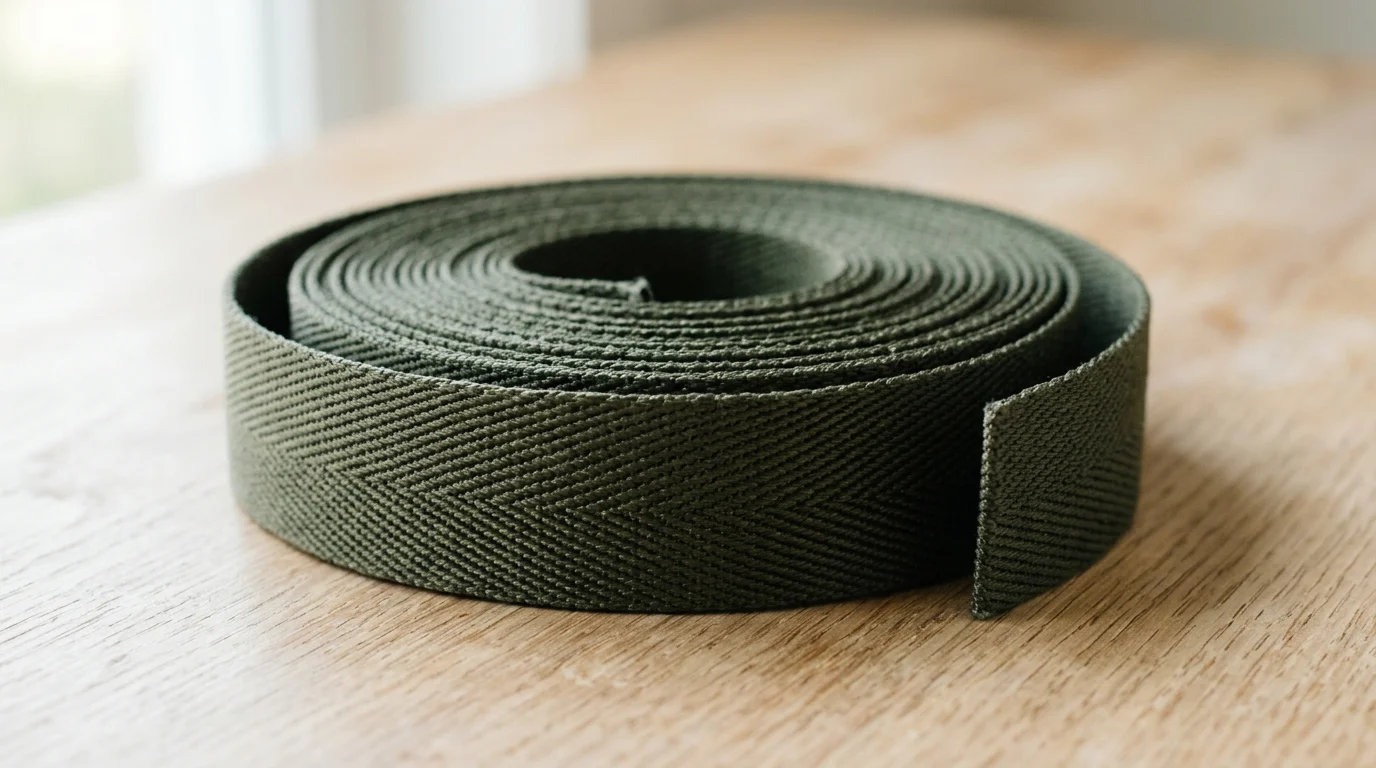
Across bags, apparel, footwear, and home textiles, non-elastic webbing is no longer just a supporting trim; it has become a critical performance component that shapes strength, comfort, weight, and product longevity. As brands push for lighter constructions, higher load capacity, and cleaner aesthetics, material choices and weave engineering are taking on a larger role in overall product design. This article examines how high-performance non-elastic webbing is evolving, which technical properties matter most in different applications, and why advances in fibers, finishing, and manufacturing are setting new expectations for durability, functionality, and design integration.
How Non-Elastic Webbing Is Changing Bag Performance Requirements
The role of non-elastic webbing in product design has evolved significantly from a basic utility component to a highly engineered structural element. In the modern manufacturing landscape, webbing must meet stringent demands for load distribution, environmental resistance, and aesthetic integration.
As global supply chains become more sophisticated, designers and product developers are increasingly specifying advanced webbing materials to differentiate their products. This shift is particularly evident in the bag and luggage sector, where component failure can ruin the entire user experience.
Rising expectations for strength, weight, and durability
Modern bag designs demand materials that can withstand extreme conditions without adding unnecessary bulk. Historically, basic backpacks relied on standard polypropylene webbing with breaking strengths around 300 to 500 pounds. Today, high-performance tactical and outdoor bags require specialized nylon or ultra-high-molecular-weight polyethylene (UHMWPE) webbing that routinely exceeds 2,500 pounds of tensile strength.
Weight reduction is equally critical. By transitioning to high-tenacity yarns, manufacturers can reduce webbing thickness by up to 30% while maintaining or exceeding legacy strength metrics. This allows for sleeker bag profiles and reduces the overall carry weight, a crucial factor for mountaineering and long-haul travel gear.
How brands and manufacturers use high-performance webbing
Leading brands utilize high-performance non-elastic webbing to create modular attachment systems, load-bearing harnesses, and heavy-duty compression straps. These applications require strict adherence to international testing protocols, such as those established by ISO, to ensure consistency across production batches.
Manufacturers are also integrating custom-woven webbing with reflective yarns or brand-specific jacquard patterns. This dual-purpose approach ensures that the webbing not only performs a critical structural role but also serves as a premium branding touchpoint that resists fading and abrasion over the product’s lifecycle.
What Defines High-Performance Non-Elastic Webbing
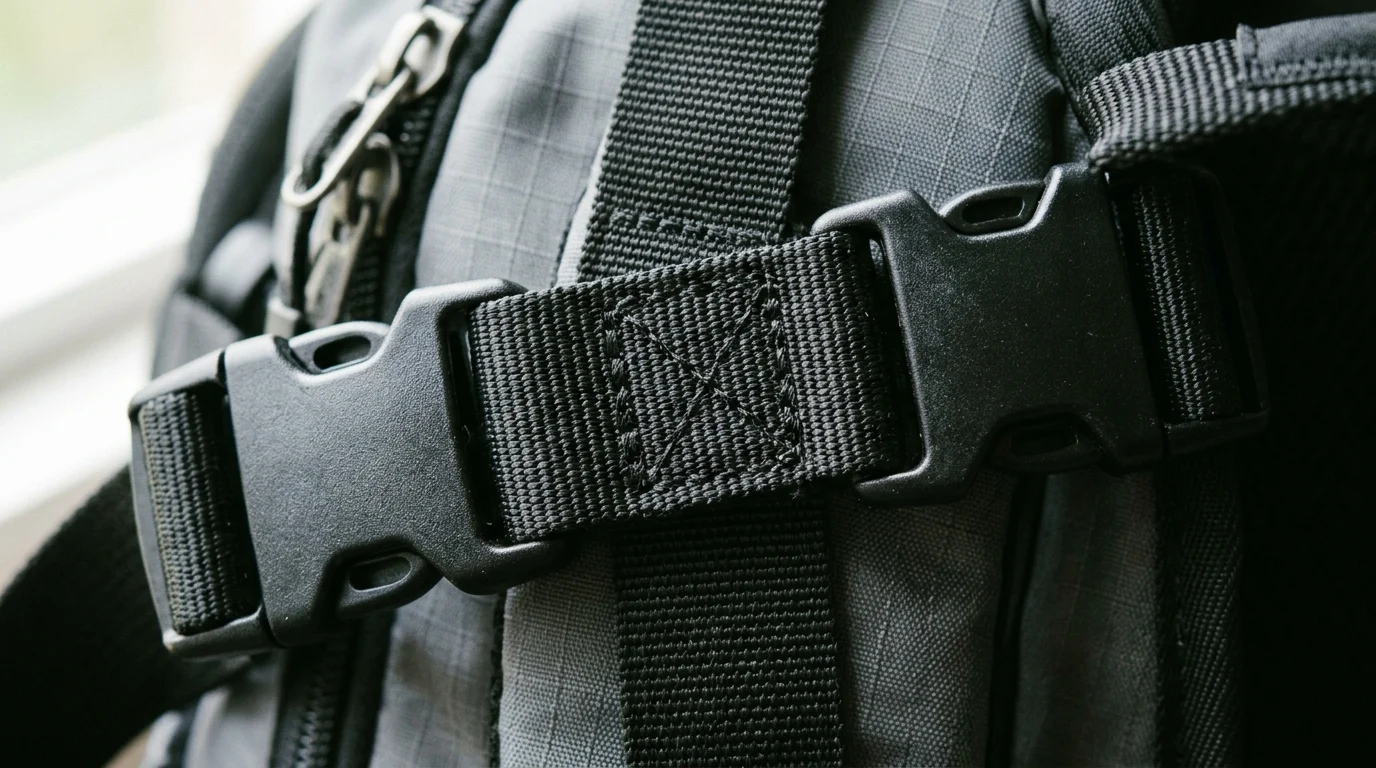
Defining high-performance webbing requires looking beyond basic dimensions to understand the underlying polymer chemistry, weave structure, and applied treatments. The difference between standard and high-performance options dictates not only the upfront material cost but also the long-term reliability of the final product.
Standard vs high-performance webbing
Standard webbing, typically made from basic polyester or polypropylene, is suitable for light-duty applications where prolonged UV exposure or extreme abrasion is not a concern. High-performance webbing utilizes advanced polymers like Nylon 6.6, Kevlar, or UHMWPE, which offer superior mechanical properties.
| Material | Tensile Strength | Abrasion Resistance | UV Resistance | Typical Cost Band |
|---|---|---|---|---|
| Polypropylene | Low (300-600 lbs) | Low | Poor | $ |
| Standard Polyester | Medium (800-1,500 lbs) | Medium | Good | $$ |
| Nylon 6.6 | High (1,500-3,000 lbs) | Excellent | Fair | $$$ |
| UHMWPE | Ultra-High (>3,000 lbs) | Superior | Excellent | $$$$$ |
Key specifications for sourcing decisions
When sourcing high-performance webbing, procurement teams must evaluate several strict specifications. Yarn denier—often ranging from 500D to 1000D in heavy-duty applications—determines the baseline robustness of the weave. Furthermore, the picks per inch (PPI) directly affects the webbing’s stiffness and resistance to edge fraying.
Thickness tolerances are another vital specification. High-performance webbing typically maintains a strict thickness profile between 0.04 and 0.08 inches (1.0mm to 2.0mm) to ensure compatibility with standardized hardware like side-release buckles and tension locks. Variations beyond a 5% tolerance can lead to hardware slippage or jamming.
How finishes affect performance
Chemical and physical finishes elevate raw webbing to high-performance status. Durable Water Repellent (DWR) coatings are commonly applied to prevent water absorption, with premium treatments engineered to maintain 80% of their repellency after 20 standard wash cycles.
Other critical finishes include fire retardant (FR) coatings for occupational safety gear, anti-microbial treatments for medical bags, and infrared (IR) compliant dyes for military applications. Each finish requires precise application and curing processes, often adding 10% to 25% to the final per-meter cost of the material.
How Application Needs Differ Across End Uses
While strength is universally valued, the specific performance requirements for non-elastic webbing vary drastically depending on the end-use category. A specification that is perfect for a heavy-duty duffel bag may be entirely unsuitable for a piece of technical apparel or outdoor furniture.
Performance trade-offs in bags
In the bag and luggage industry, the primary trade-off is between stiffness (for ease of threading through hardware) and pliability (for user comfort). Webbing used in shoulder straps must distribute loads evenly without curling at the edges, a phenomenon known as “roping.”
Manufacturers often balance these needs by using tubular webbing or multi-layer weaves. For custom dye-to-match (DTM) colors in high-tenacity nylon, brands must typically commit to Minimum Order Quantities (MOQs) ranging from 5,000 to 10,000 meters, forcing a strategic balance between color customization and inventory liability.
Requirements in apparel and footwear
Apparel and footwear applications prioritize reduced skin friction, flexibility, and washability over raw breaking strength. Webbing used in sandals, belts, or technical outerwear is typically engineered to a thinner profile, usually between 0.5mm and 1.0mm, to prevent bulky seams.
Colorfastness is critical in these categories, as the webbing will undergo frequent laundering and exposure to sweat. Polyester is frequently favored over nylon in apparel due to its superior resistance to color bleeding and lower water retention, ensuring garments dry quickly and maintain their aesthetic appeal.
Requirements in home textiles
Home textiles, particularly outdoor furniture and awnings, demand exceptional environmental resilience. Webbing used in these applications must resist degradation from prolonged sunlight, moisture, and temperature fluctuations.
Specifications for outdoor home textiles often mandate a 5-to-10-year UV stability guarantee. Solution-dyed acrylics or highly treated polyesters are the standard, as they prevent the chalking and catastrophic tensile failure that occurs when standard polymers are exposed to years of direct solar radiation.
How to Evaluate Sourcing, Compliance, and Manufacturing
Transitioning to high-performance non-elastic webbing requires rigorous supplier evaluation. Brands must ensure that their chosen partners can not only meet technical specifications but also adhere to global compliance standards and execute consistent mass production.
How to assess supplier capability
Assessing supplier capability begins with understanding their machinery and production controls. High-density weaves require advanced needle looms or shuttle looms equipped with precise tensioning systems. Buyers should audit facilities for automated optical inspection systems that detect weave anomalies in real-time.
Production capacity and lead times are equally critical. High-performance webbing often requires specialized yarn sourcing, pushing standard lead times from a typical 4 weeks up to 8 or even 12 weeks for complex jacquard weaves or specialized FR-treated runs.
Compliance and sustainability priorities
Compliance with environmental and chemical safety standards is non-negotiable for global brands. Webbing must frequently comply with REACH regulations in Europe and OEKO-TEX Standard 100 to ensure the absence of harmful substances like heavy metals and azo dyes.
Sustainability is increasingly driving sourcing decisions, aligning with broader initiatives championed by the UN. The adoption of recycled PET (rPET) webbing can reduce a material’s carbon footprint by 30% to 40% compared to virgin polyester, though suppliers must carefully monitor rPET yarn batches to ensure tensile strength does not drop below required safety thresholds.
Steps to specify, sample, and test
The specification process must be highly specific, detailing yarn type, weave pattern, width tolerances (typically +/- 1mm), and chemical finishes. Once specified, brands move into the prototyping phase, requesting strike-offs for color matching and physical samples for hardware compatibility testing.
Robust quality assurance protocols dictate that the acceptable defect rate for high-performance webbing should be strictly maintained at less than 1%. Incoming batches should be routinely subjected to universal testing machines (UTMs) to verify breaking strength and elongation parameters before being released to the cutting floor.
How to Choose the Right Non-Elastic Webbing Strategy
Selecting the right non-elastic webbing requires a strategic alignment of product requirements, target demographics, and supply chain realities. Brands must adopt a structured approach to evaluate their options and anticipate future material innovations.
A framework for comparing webbing options
To navigate the complexities of webbing selection, procurement and design teams can utilize a standardized framework that weights performance metrics against cost and lead time. This ensures that premium materials are utilized only where they provide measurable value to the end user.
| Application Category | Primary Performance Metric | Recommended Material | Target Cost Band (per meter) |
|---|---|---|---|
| Tactical / Heavy Bags | Tensile Strength (>2000 lbs) | Nylon 6.6 / UHMWPE | $0.80 – $2.50 |
| Technical Apparel | Low Profile / Soft Handfeel | Fine-denier Polyester | $0.20 – $0.60 |
| Outdoor Footwear | Abrasion & Water Resistance | DWR-treated Nylon | $0.40 – $0.90 |
| Patio / Home Textiles | UV Stability (5+ years) | Solution-dyed Polyester | $0.50 – $1.20 |
Future trends in high-performance webbing
The future of high-performance webbing is deeply tied to material science advancements and the circular economy. Bio-based polymers and next-generation recycled synthetics are rapidly closing the performance gap with virgin materials, promising high tensile strength without the associated petrochemical footprint.
Furthermore, global trade dynamics, as tracked by resources like TradeMap, indicate a shift toward nearshoring and localized production of highly specialized technical textiles. As smart textiles mature, the industry will likely see non-elastic webbing integrated with conductive yarns, transforming structural straps into active data-transmission components for next-generation wearables and advanced tactical gear.
Key Takeaways
- The most important conclusions and rationale for Non-Elastic Webbing
- Specs, compliance, and risk checks worth validating before you commit
- Practical next steps and caveats readers can apply immediately
Frequently Asked Questions
What makes non-elastic webbing high-performance?
It combines stronger fibers, tighter weave control, and functional finishes. For bags, nylon 6.6 or UHMWPE webbing is often chosen for higher tensile strength, lower weight, and better abrasion resistance than standard polypropylene.
Which webbing material is best for heavy-duty bags?
Nylon 6.6 is a practical first choice for durability and abrasion resistance. UHMWPE suits premium ultra-light, ultra-strong designs but costs more and should be matched carefully with hardware and sewing methods.
What specs should buyers check before sourcing non-elastic webbing?
Confirm tensile strength, width and thickness tolerance, yarn denier, picks per inch, abrasion performance, UV resistance, and finish type. Also verify hardware compatibility to avoid slippage, jamming, or inconsistent assembly.
Can Tramigo Sourcing help with custom webbing development?
Yes. Tramigo Sourcing can help align supplier options with your target use, such as custom colors, jacquard logos, reflective yarns, and performance finishes, while checking production consistency and specification compliance.
How do finishes improve non-elastic webbing performance?
Finishes add targeted protection. DWR helps reduce water uptake, FR supports safety requirements, anti-microbial treatments suit medical products, and UV- or IR-related treatments can improve outdoor or specialized application performance.
Post time: Jun-03-2026