
Why Reflective Jacquard Webbing Tape Is a Strategic Sourcing Category
As a procurement specialist, I consistently seek out textile components that balance functional safety with premium aesthetics. In the realm of high-visibility materials, reflective jacquard webbing tape has emerged as a highly strategic sourcing category. Unlike standard flat reflective strips, this hybrid material integrates reflective yarns directly into complex woven patterns, allowing brands to maintain rigorous safety standards without compromising their unique design identity.
Definition and Core Product Features
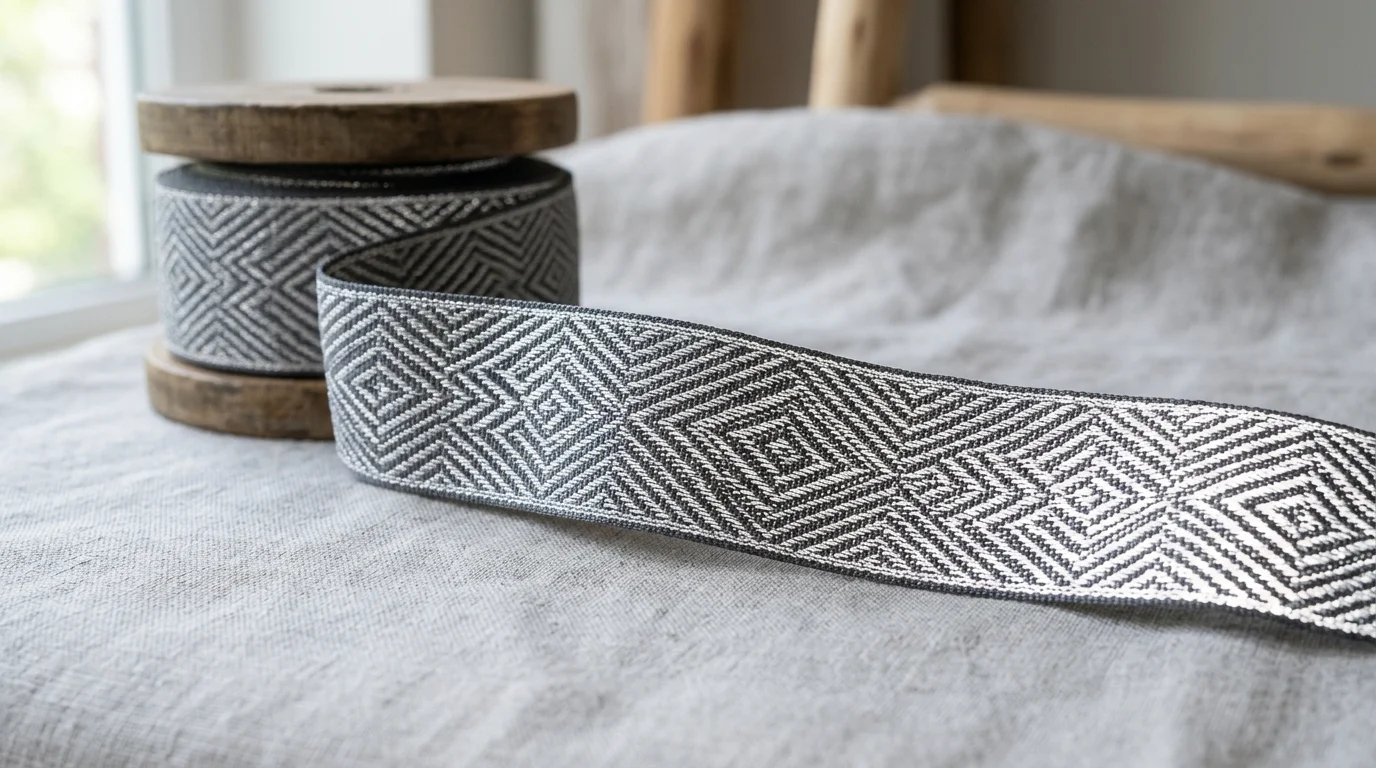
At its core, Reflective jacquard webbing tape combines a durable backing fabric, such as grosgrain tape, with specialized retro-reflective elements. The jacquard weaving process allows for intricate, customized patterns that elevate the visual appeal of the final product. From a technical standpoint, premium variants offer a reflective coefficient of up to 420 cd/lx.m2, ensuring exceptional visibility in low-light conditions.
Furthermore, high-quality tapes are engineered for longevity, capable of withstanding up to 50 home wash cycles at 60°C (140°F) without significant degradation of their reflective properties. Standard widths typically range from 1cm to 2.5cm, though custom sizing is widely available to meet specific garment or equipment design requirements.
Key End-Use Markets and Margin Potential
The primary end-use markets for this specialized webbing include high-visibility workwear, premium outdoor apparel, athletic footwear, and specialized pet accessories. Because it bridges the gap between utility and fashion, buyers can leverage this material to target premium consumer segments. In my experience, incorporating jacquard woven reflective elements allows apparel brands to increase retail price points by 15% to 30% compared to garments using basic heat-transfer reflective films.
While wholesale costs for customized jacquard webbing might range from $0.25 to $0.60 per meter depending on complexity, colorways, and volume, the resulting margin expansion in the finished retail product makes it a highly lucrative component for distributors and brand manufacturers alike.
Key Specifications and Supplier Evaluation Criteria
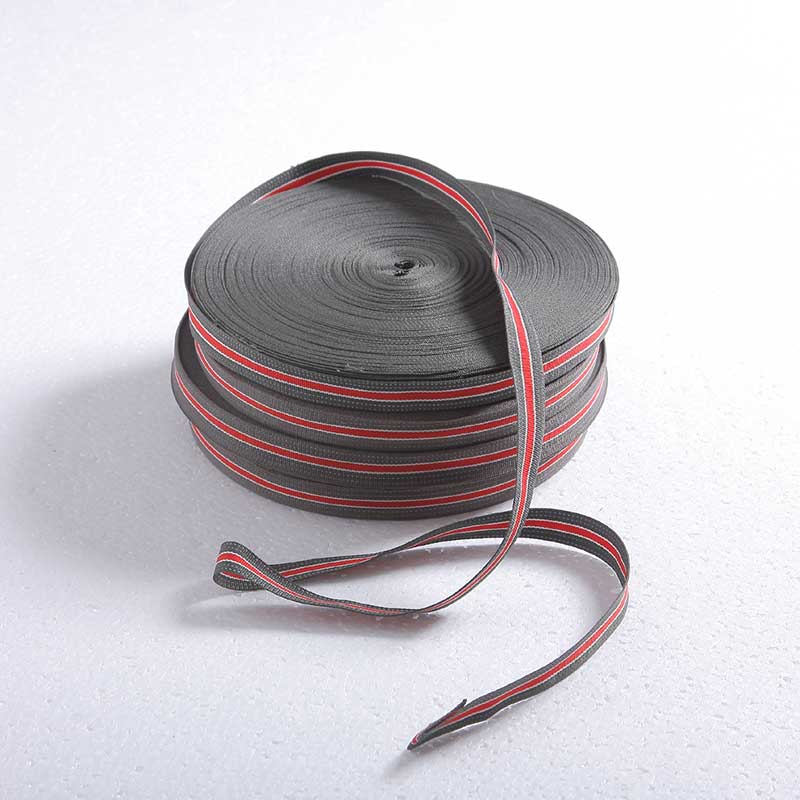 Sourcing reliable webbing requires a rigorous evaluation process. I always advise procurement teams to look past surface-level aesthetics and scrutinize the underlying technical specifications and factory capabilities. A supplier’s ability to maintain consistent tension, colorfastness, and reflectivity across bulk production runs separates elite manufacturers from average ones.
Technical Specifications to Compare
When comparing technical specifications, it is crucial to establish clear benchmarks for both the reflective elements and the base webbing. The backing material—often a robust grosgrain or high-tenacity polyester—must provide sufficient tensile strength to prevent the reflective yarns from snapping under mechanical stress. Below is a comparative breakdown of typical grade specifications I use when evaluating supplier capabilities:
| Specification Category | Standard Grade | Premium/Industrial Grade |
|---|---|---|
| Reflective Coefficient | 200 – 300 cd/lx.m2 | 400 – 420 cd/lx.m2 |
| Wash Durability | 25 cycles @ 40°C | 50+ cycles @ 60°C |
| Base Material | Standard Polyester | High-Tenacity Grosgrain / Nylon |
| Width Tolerance | ± 1.5 mm | ± 0.5 mm |
By strictly defining these parameters in your sourcing contracts, you prevent the substitution of lower-grade reflective yarns that might fail after only a few industrial washes.
Factory Assessment, MOQ, and Sampling Review
Beyond product specs, assessing the factory’s operational capacity is vital. I typically look for suppliers who manage both the jacquard weaving and reflective coating processes in-house, as this drastically reduces lead times and cross-vendor quality discrepancies. For custom jacquard patterns, Minimum Order Quantities (MOQs) generally hover between 3,000 and 5,000 meters.
However, some agile factories may offer pilot runs at 1,000 meters with a small machine setup surcharge. During the sampling phase, I always request a minimum of 10 meters to conduct in-house abrasion and sewability testing. Lead times for custom samples usually take 7 to 10 days, while bulk production requires 20 to 30 days depending on the complexity of the jacquard loom setup.
Compliance, Logistics, and Purchasing Decisions
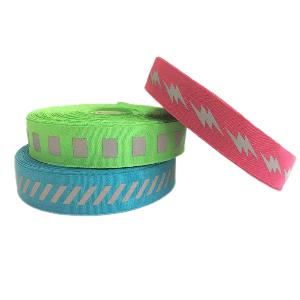 Finalizing a purchase agreement for reflective webbing involves more than negotiating the per-meter price. To protect our supply chain and profit margins, we must implement strict compliance checks, finalize packaging protocols, and map out the total landed cost before the goods ever leave the origin port.
Testing, Certification, and Risk Control
Navigating compliance is non-negotiable, especially when the webbing is intended for safety garments. I require suppliers to provide valid third-party test reports demonstrating compliance with EN ISO 20471 (Europe) or ANSI/ISEA 107 (North America) standards for high-visibility accessories. Additionally, if the tape will be used in consumer apparel next to the skin, Oeko-Tex Standard 100 certification is necessary to ensure the yarns and dyes are free from harmful substances.
To mitigate quality risks during bulk production, I mandate pre-shipment inspections based on an AQL 1.5 standard for major defects—such as dropped stitches or inconsistent reflective coating—and AQL 2.5 for minor defects like slight color variations in the daytime backing fabric.
Procurement Process, Shipping, and Landed Cost Planning
Effective logistics planning significantly impacts the final procurement margin. Reflective tape is relatively dense; it is typically spooled in rolls of 50 or 100 meters, wrapped in protective polybags to prevent moisture damage to the reflective glass beads, and packed in reinforced export cartons. For a standard order of 50,000 meters, you can expect a gross weight of approximately 800 to 1,000 kg, making Less than Container Load (LCL) ocean freight the most cost-effective shipping method.
When calculating landed costs, I factor in the specific Harmonized System (HS) code—often falling under 5806.32 for narrow woven fabrics of man-made fibers—to accurately forecast import duties. By accounting for freight, insurance, customs tariffs, and a 2% buffer for potential yield loss during garment manufacturing, procurement teams can build a highly accurate pricing model that secures profitability.
Further reading:
Key Takeaways
- Wholesale sourcing and supply-chain implications for Reflective jacquard webbing tape
- Specifications, compliance, and commercial terms buyers should validate
- Actionable recommendations for distributors and procurement teams
Frequently Asked Questions
What widths are common for reflective jacquard webbing tape?
Most orders use 1cm to 2.5cm widths. If your product needs a special fit, Tramigo can discuss custom sizing for garments, footwear, or pet accessories.
What MOQ should B2B buyers expect for custom jacquard patterns?
Typical MOQ is 3,000 to 5,000 meters. Some factories may offer a 1,000-meter pilot run with a setup surcharge for new designs.
How durable is reflective jacquard webbing tape after washing?
Premium grades can handle 50+ home wash cycles at 60°C with limited reflectivity loss. Confirm wash standards in your spec sheet before placing bulk orders.
How can I evaluate a reliable reflective jacquard webbing supplier?
Check reflective coefficient, width tolerance, wash durability, and whether weaving plus reflective processing are done in-house. Also request at least 10 meters for sewability and abrasion testing.
Why choose reflective jacquard webbing over basic reflective strips?
It combines visibility with branded woven patterns, giving a more premium look. This helps workwear and outdoor brands improve product differentiation and support higher retail pricing.
Post time: Apr-17-2026