

Strategic Value of Poly Reflective Webbing Tape for B2B
As procurement professionals navigating the complex textile and safety apparel supply chain, we constantly seek components that balance regulatory compliance with cost-efficiency. High-visibility materials are no exception, serving as critical elements in both occupational safety gear and consumer activewear. The macroeconomic drivers for high-visibility gear—ranging from stricter municipal safety regulations to the booming outdoor recreation market—have elevated the procurement standards for reflective trims.
Selecting the right reflective component is no longer just about basic visibility; it requires a strategic understanding of base materials, longevity under industrial conditions, and the value these features add to the final garment.
Definition and Core Product Characteristics
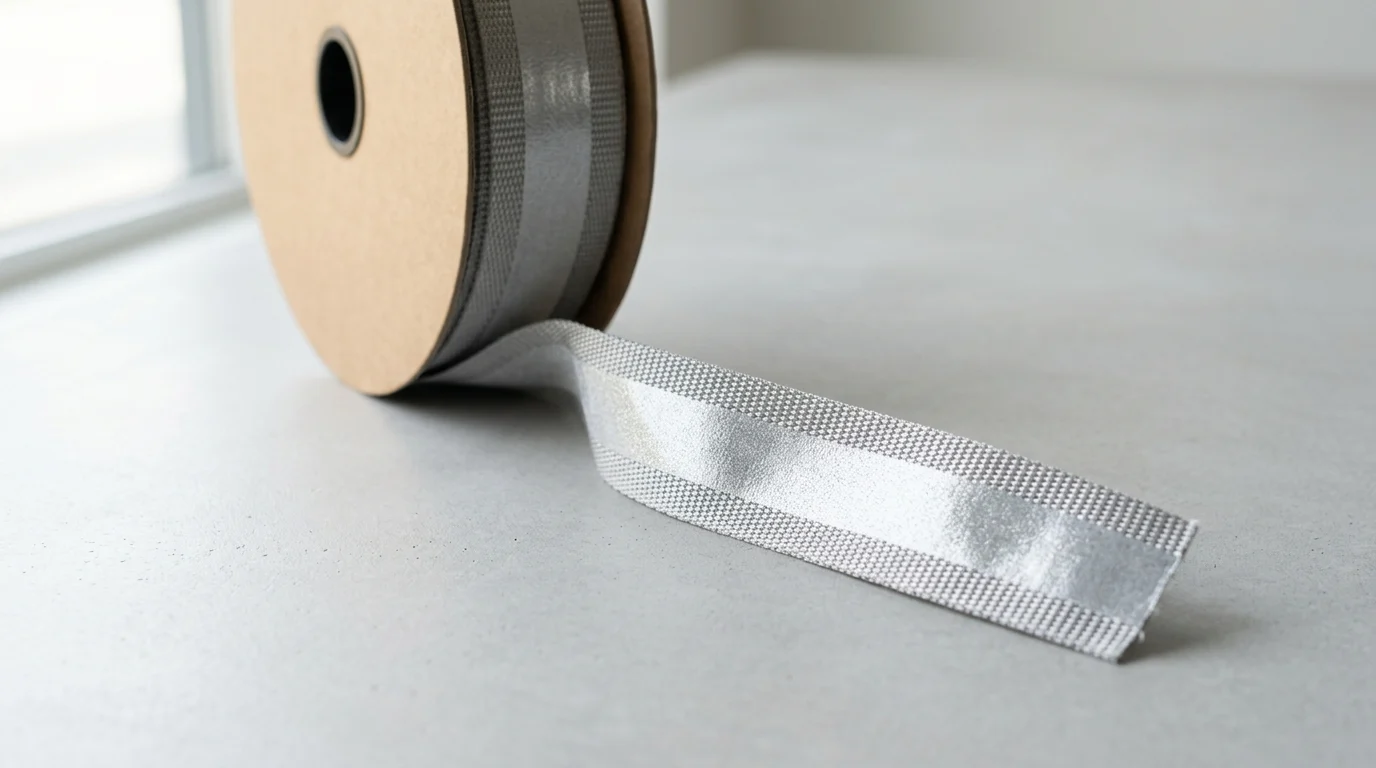
At its core, a high-quality Poly Reflective webbing tape consists of a durable polyester base—often a tightly woven grosgrain tape or poly oxford fabric—fused with a silver or high-reflective heat transfer film. This composite structure ensures both structural integrity and optimal visibility in low-light conditions.
Standard commercial widths typically range from 1.5x5cm to 2x5cm, though custom dimensions are readily available from tier-one manufacturers. The defining metric for these tapes is their reflective coefficient, which can reach up to 420 cd/lx.m². By integrating a sew-on attachment type, these tapes offer superior durability compared to simple adhesive alternatives, ensuring the reflective layer remains securely intact through rigorous industrial use and repeated mechanical stress.
Commercial Applications and Margin Opportunities
Commercial applications for these webbing tapes extend far beyond traditional high-visibility safety vests. We are increasingly sourcing these materials for premium outdoor backpacks, tactical gear, and fashionable streetwear, where visibility translates into a premium product feature. Securing municipal contracts or industrial uniform supply agreements often hinges on the reliability of these exact components.
From a margin perspective, bulk purchasing these tapes directly from manufacturers typically costs between $0.15 and $0.35 per meter, depending on width and reflective index. When integrated into a final garment, this low-cost component allows brands to command a 15% to 25% retail price premium. Furthermore, the global occupational safety market’s stringent regulations guarantee a steady, recurring demand for compliant webbing tape, presenting a lucrative opportunity for distributors and B2B wholesalers to secure long-term, high-volume contracts.
Key Specifications and Evaluation Criteria

Evaluating these tapes requires a rigorous analytical approach. We must look beyond surface-level brightness to assess long-term durability and international compliance, ensuring the materials withstand the harsh realities of their intended environments without degrading.
A systematic evaluation framework prevents costly product recalls and protects brand reputation in markets where safety is heavily regulated.
Performance, Material, and Compliance Factors
Performance longevity is primarily dictated by washability and base material strength. A commercial-grade reflective webbing must endure rigorous cleaning without losing its retroreflective properties. Top-tier products guarantee up to 50 home wash cycles at 60°C (140°F), a crucial specification for garments subjected to heavy soiling in construction or logistics sectors.
Additionally, the base polyester must exhibit high tensile strength to prevent the webbing from snapping under stress. Compliance with global standards such as EN ISO 20471 (Europe) and ANSI/ISEA 107 (North America) is non-negotiable for safety applications. These standards typically require a minimum reflective coefficient of 330 cd/lx.m². Choosing tapes that offer 420 cd/lx.m² is highly desirable, as they provide a significant buffer against degradation over time, ensuring the garment remains compliant even after months of use.
Comparison Tables and Test Checkpoints
To streamline our evaluation process, we rely on standardized comparison metrics and strict test checkpoints. We strongly advise conducting independent third-party testing on pre-production samples to verify the manufacturer’s technical data sheets (TDS). Key checkpoints include abrasion resistance testing, colorfastness of the backing fabric, and the peel strength of the heat transfer film.
| Specification Metric | Standard Market Tape | Premium Poly Reflective Tape |
|---|---|---|
| Reflective Coefficient | 250 – 330 cd/lx.m² | > 400 cd/lx.m² (e.g., 420) |
| Wash Durability | 25 cycles @ 40°C | 50 cycles @ 60°C |
| Base Material | Basic Poly Ribbon | High-Tenacity Grosgrain / Oxford |
| Defect Tolerance | < 3.0% | < 1.0% |
| Typical Application | Promotional / Low-risk | EN/ANSI Certified Safety Gear |
Sourcing, Supplier Qualification, and Final Selection

Securing a reliable supply chain for high-visibility components demands a methodical sourcing strategy. We must carefully vet suppliers to mitigate risks associated with delayed shipments, inconsistent quality, or failed compliance audits.
Direct factory sourcing, rather than relying on general trading intermediaries, provides better control over technical specifications and significantly improves unit economics.
Step-by-Step Sourcing Process
Our step-by-step sourcing process begins with identifying specialized factories equipped with advanced heat-transfer fusing technology. We typically seek suppliers capable of handling Minimum Order Quantities (MOQs) starting around 3,000 to 5,000 meters per color or width. The first step is requesting technical data sheets and physical A4-sized samples for in-house wash and abrasion testing.
Once the samples pass our preliminary checks, we evaluate the supplier’s production capacity and lead times, which should ideally fall within the 15 to 25-day range for standard orders. It is also critical to assess their packaging methods and sensitivity to raw material costs like PET resins. Reflective tapes must be spooled tightly on durable cores and protected with moisture-barrier films to prevent oxidation or friction scratching during ocean freight transit.
Final Supplier and Product Selection
The final supplier selection hinges on rigorous factory audits and favorable commercial terms. We mandate that our manufacturing partners hold ISO 9001 certification for quality management and Oeko-Tex Standard 100 certification to ensure the textiles are entirely free from harmful substances.
During contract negotiations, we establish strict quality control parameters, stipulating a maximum acceptable defect rate of 1.0%.
Further reading:
Key Takeaways
- Wholesale sourcing and supply-chain implications for Poly Reflective webbing tape
- Specifications, compliance, and commercial terms buyers should validate
- Actionable recommendations for distributors and procurement teams
Frequently Asked Questions
What reflective coefficient should B2B buyers target for poly reflective webbing tape?
For safety apparel, aim for at least 330 cd/lx.m² to support EN ISO 20471 or ANSI/ISEA 107 needs. Choosing around 420 cd/lx.m² gives better compliance margin after wear and washing.
How durable should poly reflective webbing tape be for workwear use?
A strong benchmark is 50 home wash cycles at 60°C with stable reflectivity. Also confirm abrasion resistance, backing colorfastness, and secure film bonding before bulk orders.
Which applications fit poly reflective webbing tape best?
It works well for safety vests, uniforms, backpacks, tactical gear, and outdoor products. Buyers on tramigo-reflective.com often use it where visibility and sewn durability are both required.
What should I verify before sourcing from a poly reflective webbing tape supplier?
Request the TDS, compliance reports, wash test results, width specs, and defect tolerance. Ask for pre-production samples and use third-party testing to confirm reflectivity and bonding performance.
Can poly reflective webbing tape be customized for OEM orders?
Yes. Suppliers typically offer custom widths, base fabrics, and reflective performance levels. Confirm MOQ, sample lead time, and whether the tape is sew-on for your garment production line.
Post time: Apr-17-2026