
Selecting the right reflective tape and industrial fasteners is critical for ensuring worker safety and product longevity in 2026. This guide explores how high-performance materials improve visibility and structural integrity in demanding environments.
Evaluating Reflective Tape for Industrial Safety
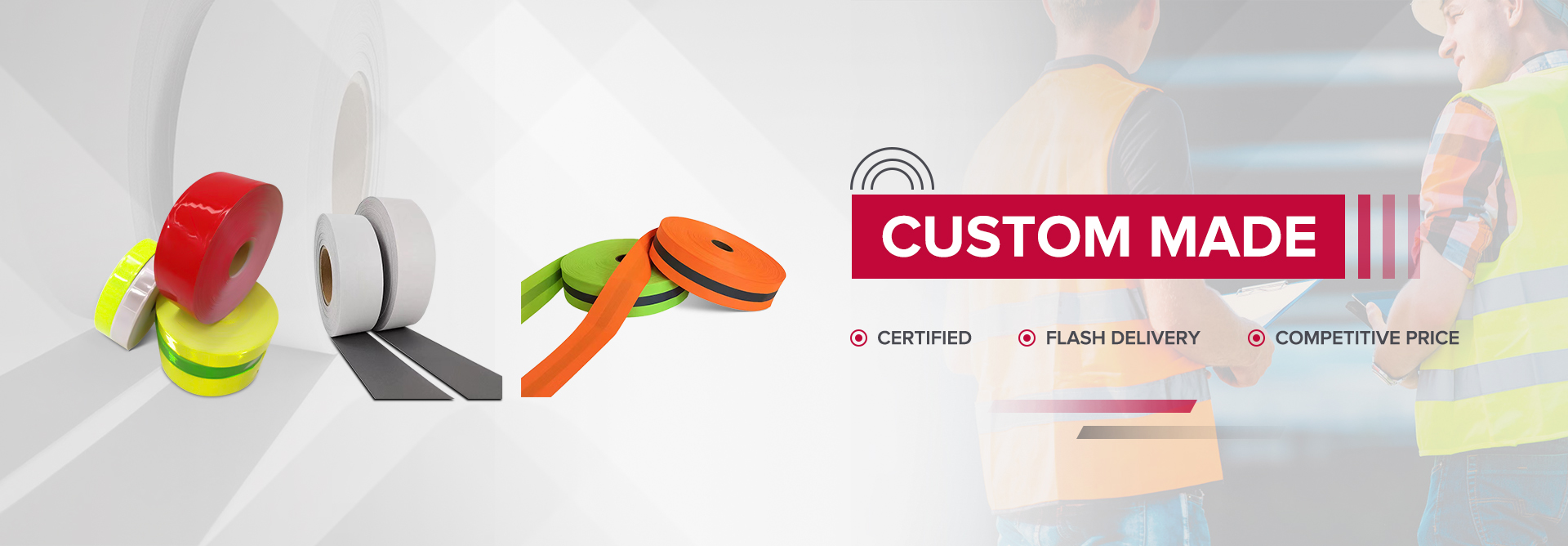
Reflective tape performance is governed by strict global standards that dictate luminosity and wash durability. For industrial settings, compliance with EN ISO 20471:2013 and ANSI/ISEA 107-2010 remains the primary benchmark for protective clothing. Engineers must prioritize materials that maintain retroreflective coefficients after multiple industrial wash cycles.
Industrial washing reflective tape offers superior resistance to chemical degradation compared to standard consumer-grade alternatives. When selecting materials, it is essential to consider the base fabric backing—such as TC or polyester—to ensure compatibility with the garment’s textile properties.
| Feature | TC Backing Tape | Flame Retardant Tape | Adhesive Tape |
|---|---|---|---|
| Wash Durability | High | Very High | Low |
| Heat Resistance | Moderate | Extreme | Low |
| Best Application | Workwear | PPE/Fire Gear | Signage/Crafts |
The Role of Webbing Tape in Gear Durability
Webbing tape provides the structural skeleton for outdoor gear, safety harnesses, and tactical apparel. High-tenacity polyester remains the industry standard for applications requiring high tensile strength and UV resistance. For flexible components, elastic woven tape allows for ergonomic comfort without sacrificing the necessary tension required for secure fittings.
Selecting the correct width and weave pattern depends on the intended load-bearing capacity. According to recent textile engineering benchmarks, high-tenacity nylon is preferred for high-stress applications, whereas polyester is superior for environments requiring moisture resistance and dimensional stability.
Optimizing Fastening Systems: Hook and Loop Technology
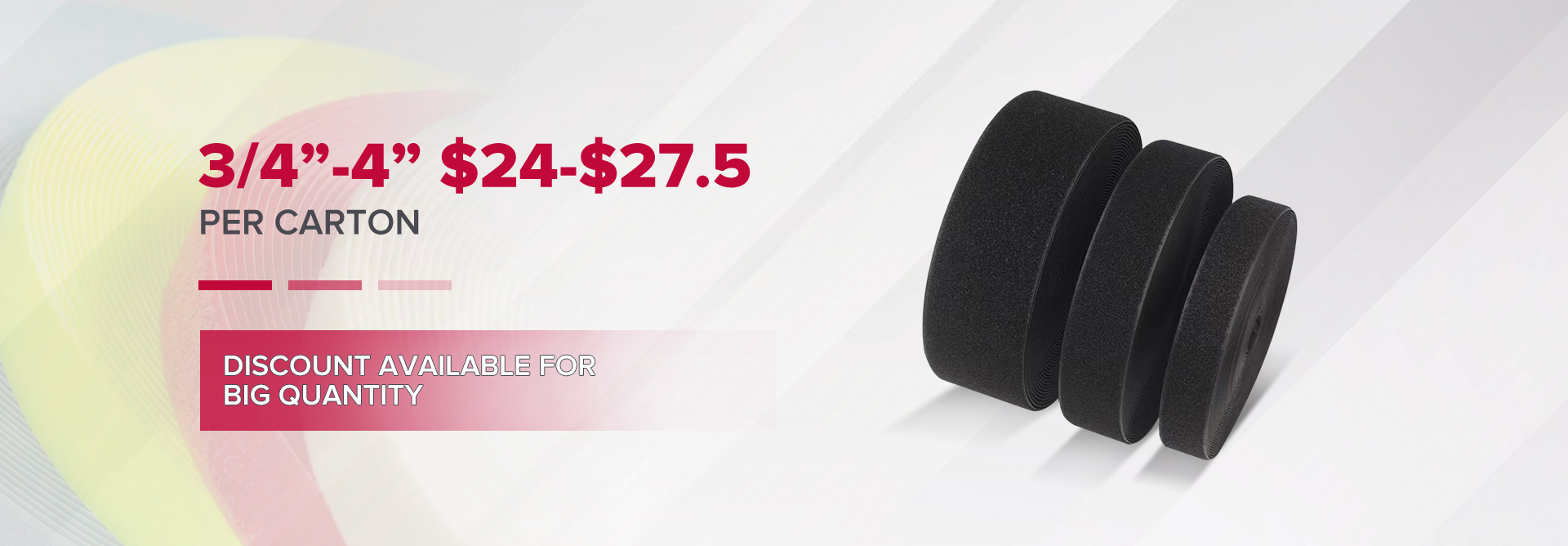
Modern hook and loop tape solutions have evolved to offer specific mechanical properties tailored to heavy-duty industrial use. Injection-molded hook tapes provide stronger closure cycles than traditional woven alternatives, making them ideal for high-frequency access points.
Proper selection involves matching the hook type to the loop density. For extreme environments, specialized flame retardant Velcro ensures that fastening systems do not become a failure point during hazardous incidents. Consistent maintenance of these fasteners is required to prevent debris accumulation, which can degrade closure strength by up to 30% over long-term use.
Strategic Material Integration
Effective design integrates reflective webbing and ribbon directly into the product’s architecture, serving both safety and aesthetic functions. By embedding reflective elements into the load-bearing straps, manufacturers can increase peripheral visibility without adding bulk. This dual-purpose strategy aligns with the industry movement toward streamlined, multi-functional safety equipment.
- Prioritize certified retroreflective materials for all primary high-visibility zones.
- Select webbing based on specific tensile requirements rather than general appearance.
- Match fastener life-cycles to the expected service life of the garment.
- Test all components against expected exposure, including flame or chemical hazards.
- Utilize customized solutions for specialized garment geometry.
FAQ
What are the primary differences between EN ISO 20471 and ANSI 107 standards?
While both aim to ensure worker visibility, EN ISO 20471 focuses on European requirements for high-visibility clothing in high-risk zones, whereas ANSI/ISEA 107 is the North American standard. Both demand specific minimum retroreflective performance levels and design configurations to guarantee visibility under various lighting conditions.
How does industrial washing affect reflective tape lifespan?
Industrial washing involves higher temperatures and harsher detergents than residential laundering. Standard reflective tapes may experience bead loss or backing degradation after 20-50 cycles. Industrial-grade tapes are specifically engineered to withstand over 50-100 cycles at high temperatures while retaining their core retroreflective properties for long-term safety.
When should I choose flame-retardant hook and loop over standard versions?
Flame-retardant hook and loop should be used in any environment where thermal protection is required, such as firefighting, petrochemical, or electrical maintenance industries. Standard nylon fasteners can melt or ignite when exposed to intense heat, creating a significant safety risk, whereas treated materials maintain integrity under fire-load conditions.
Does webbing tape width affect load-bearing capacity?
Yes, webbing width directly impacts tensile strength and surface area for friction. Wider webbing generally distributes load more effectively over a larger area, reducing pressure points. However, engineers must balance width with the design constraints of the specific application, such as buckles, adjusters, or attachment points on a backpack or harness.
How can I ensure my reflective materials remain compliant over time?
Compliance is maintained through routine inspection and following the manufacturer’s care instructions. Regularly check for signs of abrasion, cracking, or reduced luminosity. Implementing a systematic replacement cycle for PPE, especially for items exposed to harsh weather or heavy chemical usage, is the most effective way to ensure ongoing safety compliance.
Post time: May-14-2026