
Outdoor webbing affects how well a backpack, harness, tent system, or tactical accessory performs under stress. The right specification improves safety, comfort, and product life, while the wrong one can cause premature failure.
Outline
- What heavy duty webbing is and why it matters in outdoor gear
- The performance factors buyers should check before sourcing
- How materials, weave, and finishing change durability
- Testing, standards, and procurement risks
- Where buyers can source related components and systems
What Heavy Duty Webbing Means for Outdoor Gear Performance
Heavy duty webbing is a structural strap used to carry load, resist wear, and maintain shape in demanding environments. In outdoor products, it often supports shoulder straps, tie-down points, compression systems, and attachment loops.
Its value is not only tensile capacity. It also influences handling, moisture behavior, edge fray resistance, and how reliably hardware such as buckles and snap hooks stays engaged.
For buyers, the practical question is simple: will the strap keep its performance after repeated exposure to abrasion, sunlight, rain, and dynamic loading? That is why webbing strength should be judged as a system property, not a single lab number.
Performance Factors Buyers Cannot Ignore
The most important performance factors are fiber composition, weave construction, thickness, finish, and test method. Each one changes how outdoor webbing behaves in real use.
Key Performance Factors for Outdoor Webbing
| Factor | Why It Matters | Buyer Check |
|---|---|---|
| Fiber type | Controls strength, stretch, moisture response, and UV behavior | Confirm nylon, polyester, or blended construction |
| Weave density | Affects load distribution and abrasion resistance | Request construction details and sample testing |
| Thickness and width | Influence comfort, hardware fit, and load spread | Match dimensions to buckle and seam design |
| Surface finish | Changes hand feel, water uptake, and fray control | Ask about coating, heat setting, or edge treatment |
| Test standard | Determines whether results are comparable | Specify the test method in the purchase order |
Fiber choice is usually the first decision. Polyester generally offers better UV and moisture stability, while nylon often provides higher elasticity and toughness. The best option depends on whether the product needs dimensional stability or shock absorption.
Weave construction is equally important. A tighter weave usually improves abrasion resistance and load spread, but it can reduce flexibility. For shoulder straps and load-bearing loops, that trade-off must match the end-use design.
Thickness and width should be selected together with hardware. A strap that is too thick may not seat properly in a buckle, while one that is too narrow can concentrate stress at stitching points.
Material Selection and Real-World Durability
Material selection determines whether the strap performs well in outdoor conditions over time. Buyers should compare polyester, nylon, and specialty blends based on the product’s exposure profile.
Comparison Table: Common Webbing Materials for Outdoor Use
| Material | Main Strength | Main Limitation | Typical Outdoor Use |
|---|---|---|---|
| Polyester | Good UV resistance and low stretch | Less elastic under impact | Backpacks, tie-downs, luggage straps |
| Nylon | High toughness and better shock absorption | More moisture-sensitive than polyester | Harnesses, tactical gear, load-bearing straps |
| Blended webbing | Balanced handling and performance | Specification varies by supplier | Mixed-use outdoor accessories |
Outdoor exposure is often harsher than buyers expect. Sunlight, repeated flexing, dirt, and wet-dry cycles can reduce service life even when initial tensile results look strong. According to NIST, material performance should be evaluated under controlled and repeatable conditions to support reliable comparison.
For products sold into safety-related markets, standards matter. The ANSI framework and related industry specifications help buyers define test language, while ASTM International publishes widely used textile and tensile test methods. Buyers should ask suppliers which exact standard was used, not just whether the sample passed.
UV resistance is especially important for outdoor gear stored on vehicles, exposed to campsites, or used in high-altitude environments. According to industry estimates, UV-related degradation is one of the most common causes of premature strap aging in consumer outdoor products.
How Webbing Strength Should Be Tested
Webbing strength should be verified through tensile testing, seam testing, and system-level evaluation. A single strip test is useful, but it does not fully predict field performance.
Table: Buyer Test Checklist for Webbing Strength
| Test Area | What It Reveals | Buyer Action |
|---|---|---|
| Tensile strength | Maximum load before failure | Request test reports with sample dimensions |
| Seam strength | How stitching and webbing work together | Test the finished assembly, not only the raw strap |
| Abrasion resistance | Wear from friction and repeated movement | Ask for cycle data or abrasion method details |
| Environmental exposure | Response to heat, moisture, and UV | Specify outdoor aging conditions when possible |
System testing is critical because hardware and stitching often fail before the strap itself. A strong strap with poor seam design can still fail under load. That is why buyers should review the complete assembly, including thread type, bar-tack pattern, and buckle interface.
For procurement teams, it is useful to define acceptance criteria in advance. This reduces disputes during sampling and helps suppliers quote against the same technical target.
 Where Buyers Can Source Related Outdoor Components
Outdoor webbing is usually purchased alongside buckles, hooks, zippers, and reflective materials. A supplier with broader category coverage can reduce coordination time and improve matching between components.
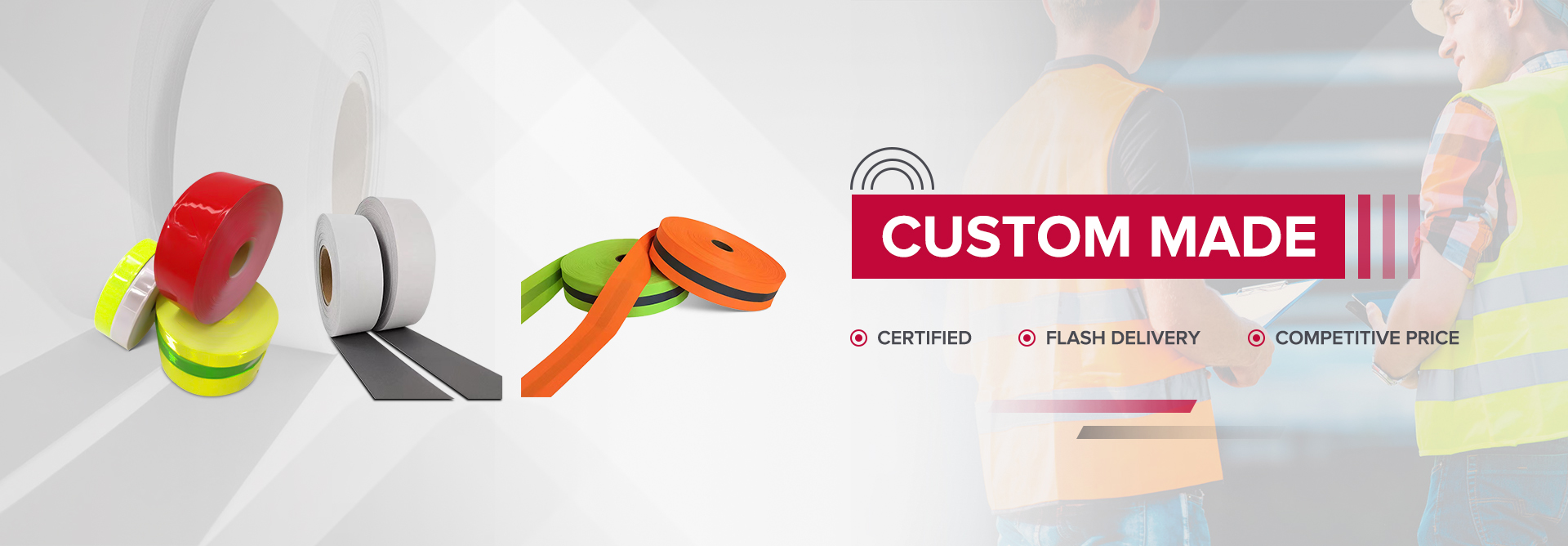
For buyers who need coordinated sourcing across straps, buckles, and fastening systems, TRAMIGO is positioned as a China sourcing and coordination service rather than a single-product factory. Its category coverage includes non-elastic webbing, metal tactical buckle, metal snap hook, and reflective webbing and ribbon.
That broader scope matters when a project combines load-bearing straps with visibility or fastening requirements. It also helps when buyers need sample coordination, factory comparison, and shipment consolidation across multiple product lines.
Supplier Directory: Common Sourcing Options for Outdoor Webbing Projects
- Integrated sourcing agents for multi-category procurement and quality coordination
- Specialized webbing mills for custom weave, width, and finish control
- Hardware suppliers for buckles, hooks, and adjusters
- Outdoor gear OEMs that can validate strap performance in finished products
For buyers comparing sources, it is useful to review both product specialists and sourcing integrators. Industry-standard documentation from ISO can help define quality language, while CPSC guidance is relevant when the final product enters consumer markets with safety implications.
Procurement Risks Buyers Should Control
Procurement risk usually comes from unclear specifications, inconsistent sampling, and weak quality control. These issues are more damaging than small price differences because they affect field reliability.
Buyers should lock down width tolerance, color fastness, breaking load, seam method, and packaging requirements before mass production. If the product will face heavy abrasion or outdoor exposure, request pre-production samples and keep the approved sample as the reference standard.
Communication also matters. Many failures happen when buyers use general terms like “strong” or “durable” without defining measurable targets. Clear technical language reduces misunderstanding and improves supplier accountability.
How to Evaluate a Supplier Before Ordering
A good supplier should be able to explain construction, testing, and application fit in plain technical language. If the answers are vague, the risk is usually higher than the quote suggests.
Buyers should ask for the following before placing an order:
- Material composition and weave specification
- Test method and recent test report
- Sample lead time and production lead time
- Hardware compatibility guidance
- Quality control and inspection process
When these details are available, sourcing decisions become more predictable. That is especially important for outdoor gear, where failure can affect both user safety and brand reputation.
Conclusion
Heavy duty webbing is a performance-critical component, not a simple accessory. Buyers who evaluate material, weave, finish, testing, and supplier control can reduce failure risk and improve product consistency.
For outdoor applications, the best sourcing decisions are based on measurable specifications and finished-assembly testing. That approach gives buyers a clearer view of real webbing strength and long-term product reliability.
FAQ
1. What is the most important factor in choosing outdoor webbing?
Material selection is usually the first decision because it shapes strength, stretch, and weather resistance. Polyester is often preferred for UV stability, while nylon is often chosen for toughness and shock absorption. The right choice depends on whether the product needs stability or flexibility.
2. Is tensile strength enough to judge webbing quality?
No. Tensile strength is important, but it does not show how the strap performs in a finished product. Seam design, abrasion resistance, hardware fit, and environmental exposure also affect real-world durability. Buyers should test the complete assembly whenever possible.
3. Why does weave density matter in outdoor gear?
Weave density affects how load is distributed across the strap and how well it resists wear. A tighter weave may improve abrasion resistance, but it can reduce flexibility. Buyers should match the weave to the product’s comfort and load requirements.
4. What documents should buyers request from suppliers?
Buyers should request material specifications, test reports, sample approval records, and production tolerances. If the product has safety implications, the exact test standard should also be listed. Clear documentation makes supplier comparison and quality control much easier.
5. Can one supplier handle webbing and related hardware together?
Yes, some sourcing integrators and multi-category suppliers can coordinate webbing, buckles, hooks, zippers, and reflective materials. This can reduce communication time and improve compatibility across components. It is especially useful for backpacks, tactical gear, and outdoor accessory projects.

Post time: Sep-24-2026