

Selecting the right high-visibility components is critical for maintaining safety standards in industrial, apparel, and outdoor gear applications. This guide provides a comprehensive overview of how to choose the most effective reflective tape and functional fastening materials to ensure compliance, visibility, and long-term durability in professional settings.
Understanding Reflective Performance and Safety Standards
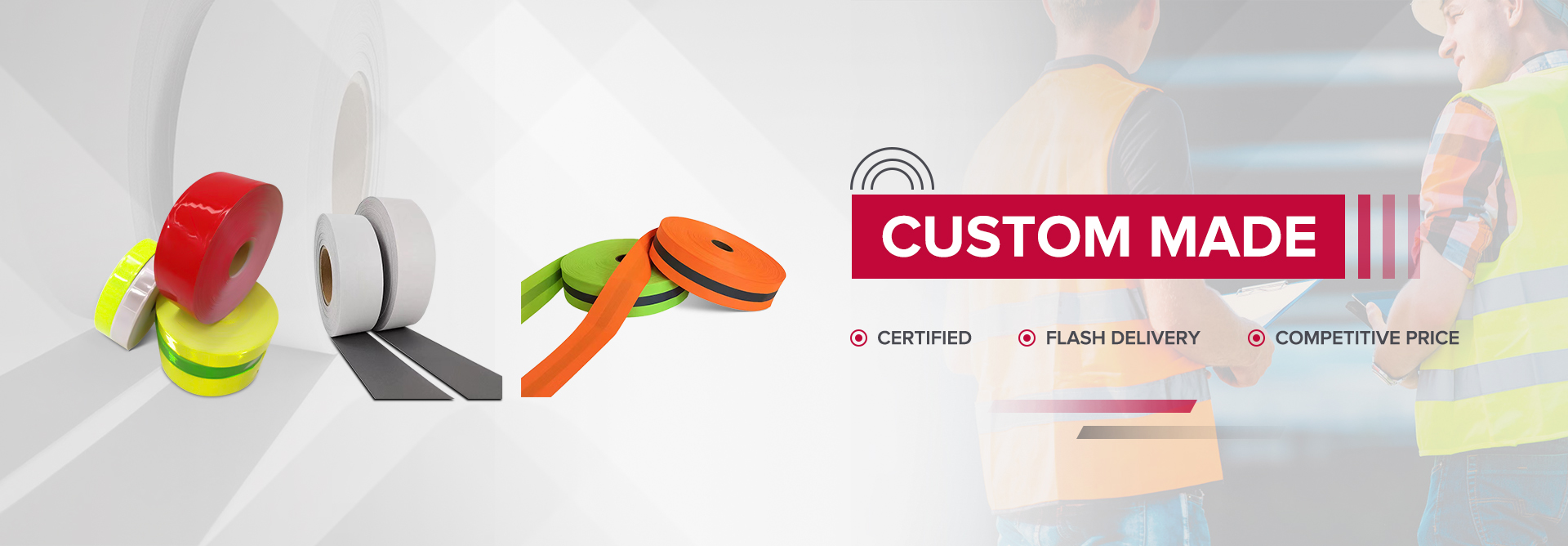
Reflective performance serves as the cornerstone of workplace safety by ensuring that workers remain visible under low-light conditions. When integrating materials like reflective webbing and ribbon, professionals must prioritize materials that meet international regulatory benchmarks. Standards such as EN ISO 20471 and ANSI/ISEA 107 provide the necessary framework for testing retroreflectivity, color, and area of retroreflective material.
Choosing materials that adhere to these global standards reduces the risk of non-compliance and enhances worker protection. For industrial environments, it is essential to consider the substrate—whether it is a TC backing reflective or a synthetic polymer—as this significantly influences how the material interacts with harsh environments and laundry cycles.
Key Performance Indicators for Safety Materials
| Feature | Importance | Selection Criteria |
|---|---|---|
| Retroreflectivity | High | Measured in candelas; must meet regional safety standards. |
| Wash Durability | High | Must withstand industrial laundering cycles (ISO 15797). |
| Flame Resistance | Moderate | Critical for oil, gas, and electrical sectors (NFPA 701). |
| Flexibility | Moderate | Affects garment comfort and material fatigue resistance. |
The Role of Functional Fastening in High-Visibility Gear
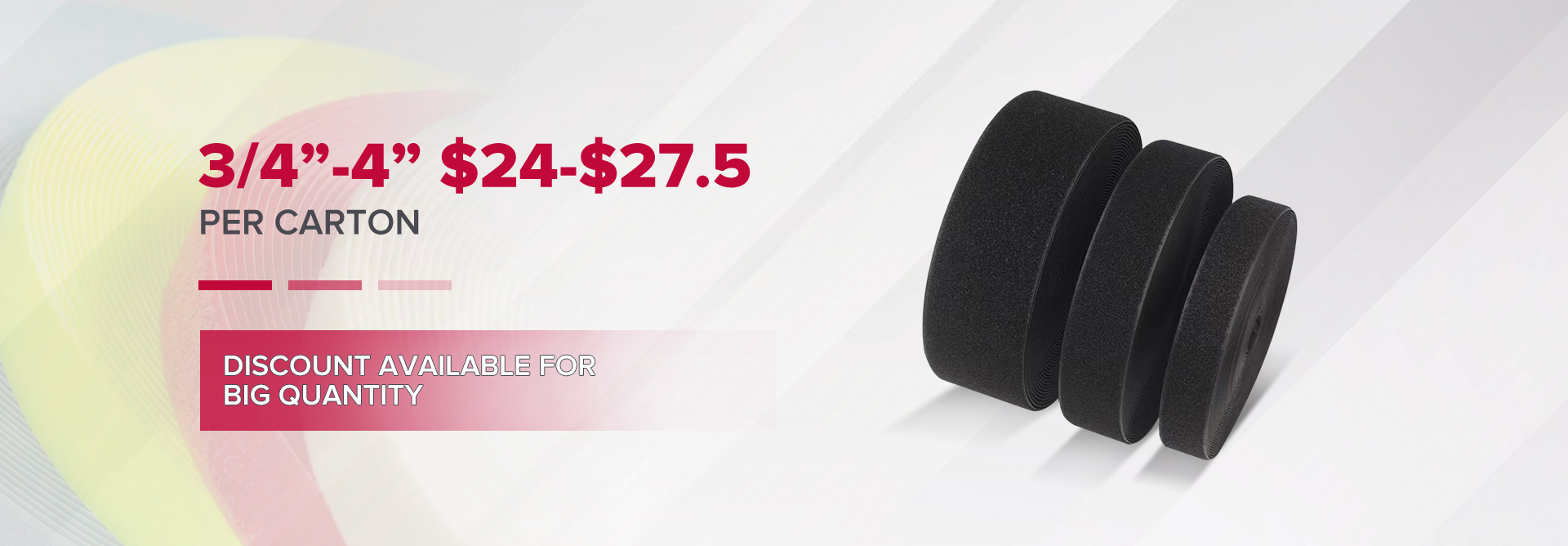
Functional design extends beyond visibility; it encompasses the reliable securement of personal protective equipment (PPE). Incorporating hook and loop tape into safety vests and protective gear allows for rapid adjustment and secure fastening. High-quality fasteners ensure that reflective elements remain correctly positioned during movement, thereby maintaining the garment’s intended protective profile.
Engineers must specify fasteners that match the environmental requirements of the application. For instance, in sectors requiring heavy-duty performance, industrial washing reflective tape paired with specialized, heat-resistant fasteners provides a cohesive, long-lasting solution that survives extreme temperature changes and repeated cleaning.
Selecting Webbing for Structural Integrity and Safety
Webbing is not merely a structural component; it is often the foundation for safety harnesses and load-bearing gear. Selecting the appropriate webbing tape involves evaluating tensile strength, material composition (nylon vs. polyester), and integration capabilities with reflective finishes. Consistent material quality ensures that the structural integrity of the gear does not degrade over the product’s service life.
- Assess Load Requirements: Determine the maximum tension the webbing must sustain in its intended use case.
- Environmental Analysis: Select materials based on UV exposure, chemical resistance, and moisture absorption rates.
- Integration Testing: Perform prototype trials to ensure fasteners and reflective materials do not weaken the webbing fibers during manufacturing.
- Certification Review: Verify that the final assembly meets necessary industry-specific safety mandates.
Compliance and Material Life-Cycle Management
Data-driven material management ensures that safety equipment performs as expected throughout its operational lifespan. According to the International Safety Equipment Association, the performance of retroreflective materials degrades over time due to mechanical abrasion and environmental stressors. Consequently, periodic inspection of high-visibility components is a mandatory practice for fleet managers and safety officers.
Adopting a strict quality control process—from raw material sourcing to final garment inspection—prevents performance failures. When selecting suppliers, prioritize those who offer documented compliance, such as OEKO-TEX Standard 100 certification, which ensures that materials are free from harmful substances, supporting both worker health and long-term sustainability.
Frequently Asked Questions (FAQ)
What is the difference between EN ISO 20471 and ANSI/ISEA 107?
EN ISO 20471 is the European standard for high-visibility clothing, focusing on performance in high-risk environments. ANSI/ISEA 107 is the United States counterpart, which provides a more granular classification system based on the intended use, task risk levels, and the total amount of reflective material required on the garment.
How does industrial laundering affect reflective tape performance?
Industrial washing uses high temperatures, alkaline detergents, and intense mechanical action. Only reflective tapes specifically rated for industrial laundering possess the binder chemistry required to prevent glass beads or micro-prisms from detaching, ensuring the material remains reflective after 50 or more cycles according to international standards.
Why is the backing material of reflective tape important?
The backing material determines how the tape is attached to a garment and how it behaves during use. Polyester or TC (Tetoron/Cotton) backings are common for sewing, while pressure-sensitive adhesives are used for non-textile applications. Choosing the right backing ensures compatibility with the base fabric’s thermal and physical properties.
Can hook and loop tape be used in fire-resistant gear?
Standard nylon hook and loop tape is not fire-resistant and may melt under extreme heat. For gear used in environments with fire risks, you must specify flame-retardant versions, typically made from aramid fibers, which are engineered to resist ignition and maintain functionality in proximity to heat sources.
How often should safety gear be replaced?
Replacement intervals depend on usage intensity, environmental exposure, and manufacturer guidance. Generally, if the reflective material shows visible damage, significant loss of brightness, or the webbing shows signs of fraying or degradation, the equipment should be taken out of service to ensure continuous compliance with safety regulations.
Post time: May-14-2026