
Introduction
Choosing reflective tape for safety clothing in 2026 means evaluating more than brightness on day one. Material type, wash durability, flame resistance, stretch performance, and certification all affect whether a garment stays compliant and visible throughout its service life. This article compares the leading reflective tape materials used in modern PPE, explains where each performs best, and highlights the tradeoffs that matter for procurement, product development, and workplace safety. By the end, you’ll have a practical framework for selecting tape that aligns with garment use conditions, regulatory demands, and long-term cost control.
Why Best Reflective Tape Materials Matter for Safety Clothing
Selecting the best reflective tape materials for safety clothing requires balancing stringent regulatory compliance with lifecycle durability. As the high-visibility apparel market evolves toward 2026, manufacturers and procurement teams must move beyond baseline specifications to evaluate advanced retroreflective technologies. Integrating high-performance reflective elements is no longer an afterthought, but a foundational component of occupational safety engineering.
Compliance, lifecycle cost, and worker visibility
High-visibility clothing serves as the primary line of defense against workplace struck-by hazards, particularly in low-light and nighttime conditions. Specifying premium reflective materials ensures garments maintain retroreflective performance exceeding the baseline threshold of 330 cd/lux/m² required by international safety standards. When inferior tape degrades prematurely due to UV exposure or laundering, the garment fails compliance long before the base fabric wears out. This premature failure significantly drives up the total lifecycle cost of personal protective equipment (PPE) programs.
Procurement risks and early material specification
Delaying material specification introduces significant procurement risks, particularly when sourcing specialized flame-resistant (FR) or industrial-wash-rated tapes. Global supply chain data indicates that failing to lock in reflective tape specifications during the initial garment prototyping phase can extend production lead times by 45 to 60 days. Early specification ensures adequate time for third-party photometric testing, secures raw material allocation, and mitigates the risk of utilizing non-compliant substitute materials during production bottlenecks.
Best Reflective Tape Materials for Safety Clothing
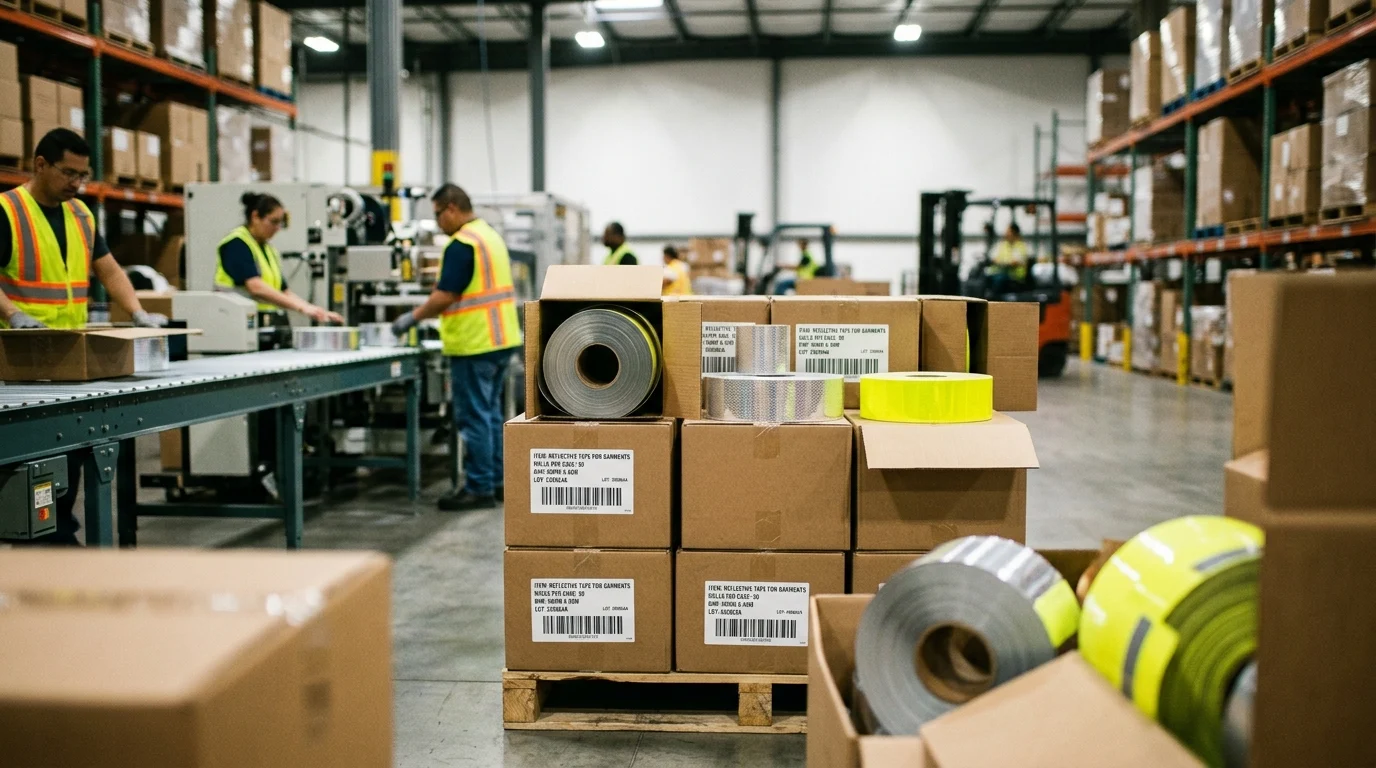
The market for the best reflective tape materials is categorized by the underlying technology used to bounce light back to its source. Understanding the structural differences between these materials is essential for aligning the tape with the intended garment application, fabric weight, and environmental exposure.
Glass bead, microprismatic, and segmented tape types
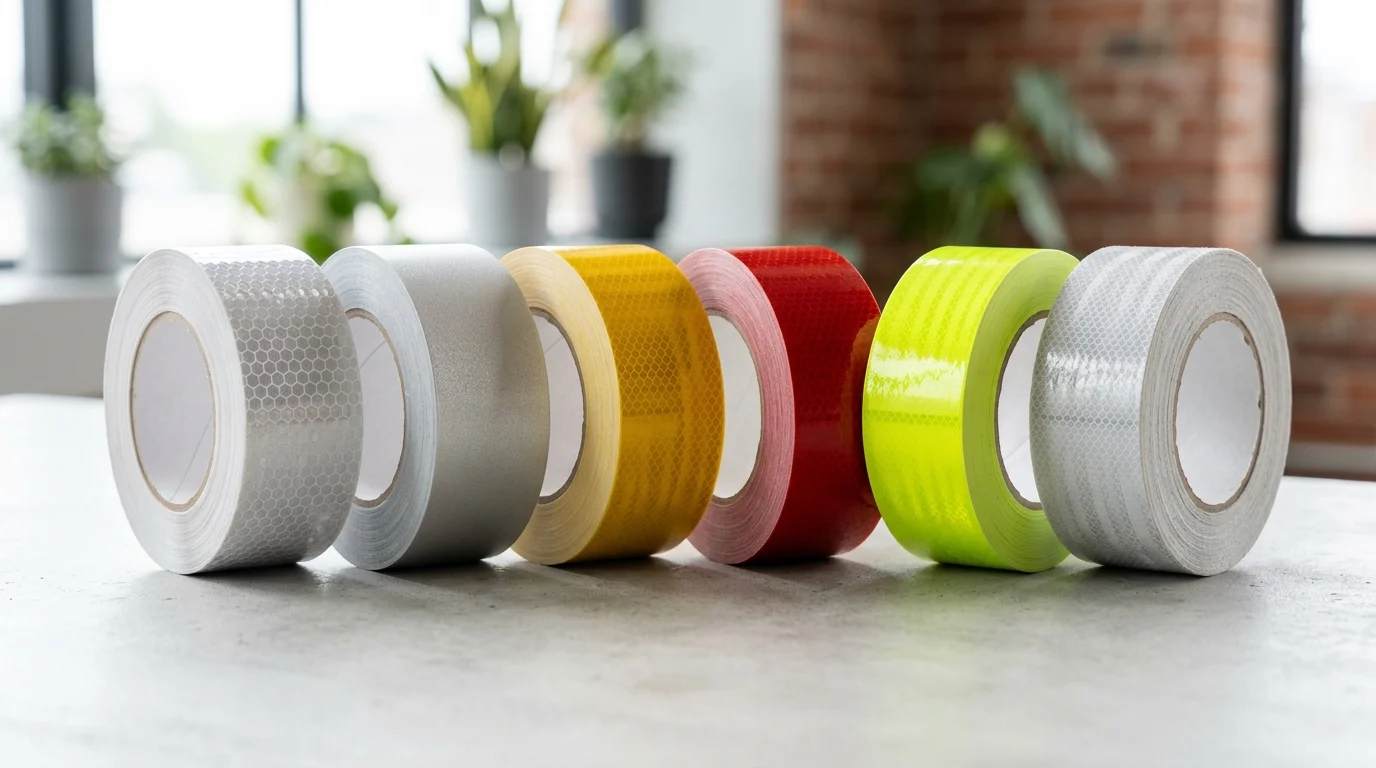
Open-type glass bead tape utilizes microscopic glass spheres embedded in a specialized binder, offering excellent flexibility and a wide observation angle for general industrial use. Microprismatic tape relies on micro-engineered vinyl or PVC prisms sealed beneath a clear polymer film, creating an intense, highly focused beam of returned light that cuts through precipitation. Segmented tape, typically utilizing a heat-transfer application of glass beads, features precision-cut gaps that enhance garment stretch, reduce overall weight, and improve moisture vapor transmission.
Key definitions, performance metrics, and comparison criteria
Performance metrics dictate material suitability for specific environments. Microprismatic tapes excel in high-intensity light return, often achieving initial retroreflectivity values exceeding 700 cd/lux/m², making them ideal for heavy rain and long-distance highway visibility. Conversely, premium glass bead tapes typically yield 400 to 500 cd/lux/m² but offer superior drape and comfort for the wearer.
| Material Type | Typical Retroreflectivity (cd/lux/m²) | Flexibility | Best For |
|---|---|---|---|
| Glass Bead | 400 – 500 | High | General PPE, lightweight garments |
| Microprismatic | 700+ | Low | Heavy rain, highway construction |
| Segmented Heat Transfer | 350 – 450 | Very High | Activewear, stretch fabrics |
How to Compare Reflective Tape Materials
Procurement professionals and garment engineers must evaluate materials against rigorous mechanical and photometric benchmarks. A systematic comparison ensures the chosen tape withstands the specific environmental stressors of the end user while maintaining regulatory compliance throughout the garment’s intended lifespan.
Retroreflectivity, wash durability, abrasion, and flexibility
Durability is primarily measured through wash cycles and abrasion resistance. Standard domestic-wash tapes are typically certified to maintain minimum retroreflectivity after 50 wash cycles at 60°C. However, heavy industrial environments require tapes engineered to survive 50 to 100 industrial wash cycles at 75°C, which includes harsh chemical sterilization and tunnel drying. Flexibility is equally critical; applying rigid tapes to lightweight fabrics causes puckering, structural stress, and premature delamination of the reflective layer.
EN ISO 20471, ANSI 107, and other compliance standards
Regulatory compliance dictates the baseline performance of any high-visibility material. EN ISO 20471 (Europe) and ANSI/ISEA 107 (North America) establish strict parameters for photometric performance after physical exposure tests, including temperature cycling, abrasion, and flexing.
| Standard | Wash Cycle Requirement | Minimum Retroreflectivity | Primary Region |
|---|---|---|---|
| ANSI/ISEA 107 | Varies by garment class | 330 cd/lux/m² | North America |
| EN ISO 20471 | Mfr specified (min 5) | 330 cd/lux/m² | Europe / Global |
| AS/NZS 4602.1 | Minimum 30 washes | 330 cd/lux/m² | Australasia |
Sourcing and Manufacturing Factors
The integration of reflective tape into a high-visibility garment requires careful coordination between material suppliers and garment manufacturing facilities. Operational variables such as substrate compatibility, application machinery, and order volumes directly impact production viability and final unit costs.
Garment substrate, application method, and minimum order quantit
y
The choice between sew-on and heat-transfer application depends entirely on the garment substrate. Sew-on tapes require robust backing materials, such as polyester/cotton blends or aramid fibers for FR garments, and must be stitched with appropriate tension to prevent seam puckering. Heat-transfer films require precise temperature, pressure, and dwell time parameters—frequently around 150°C for 15 seconds—to ensure proper adhesion without scorching the base fabric. Minimum Order Quantities (MOQs) for standard silver glass bead rolls typically start at 1,000 meters, whereas custom-segmented or color-tinted tapes may require MOQs exceeding 5,000 meters.
Supplier qualification, testing, and logistics considerations
Mitigating manufacturing risks necessitates stringent supplier qualification. Buyers should demand current, independent laboratory test reports validating compliance with ANSI or ISO standards for every production batch. Furthermore, verifying OEKO-TEX Standard 100 certification ensures the tape is free from harmful substances, which is increasingly mandated in global procurement contracts. Procurement schedules should allocate 14 to 21 days for independent batch testing prior to mass garment assembly to prevent costly product recalls and ensure consistent retroreflective performance.
Choosing the Right Reflective Tape by Application
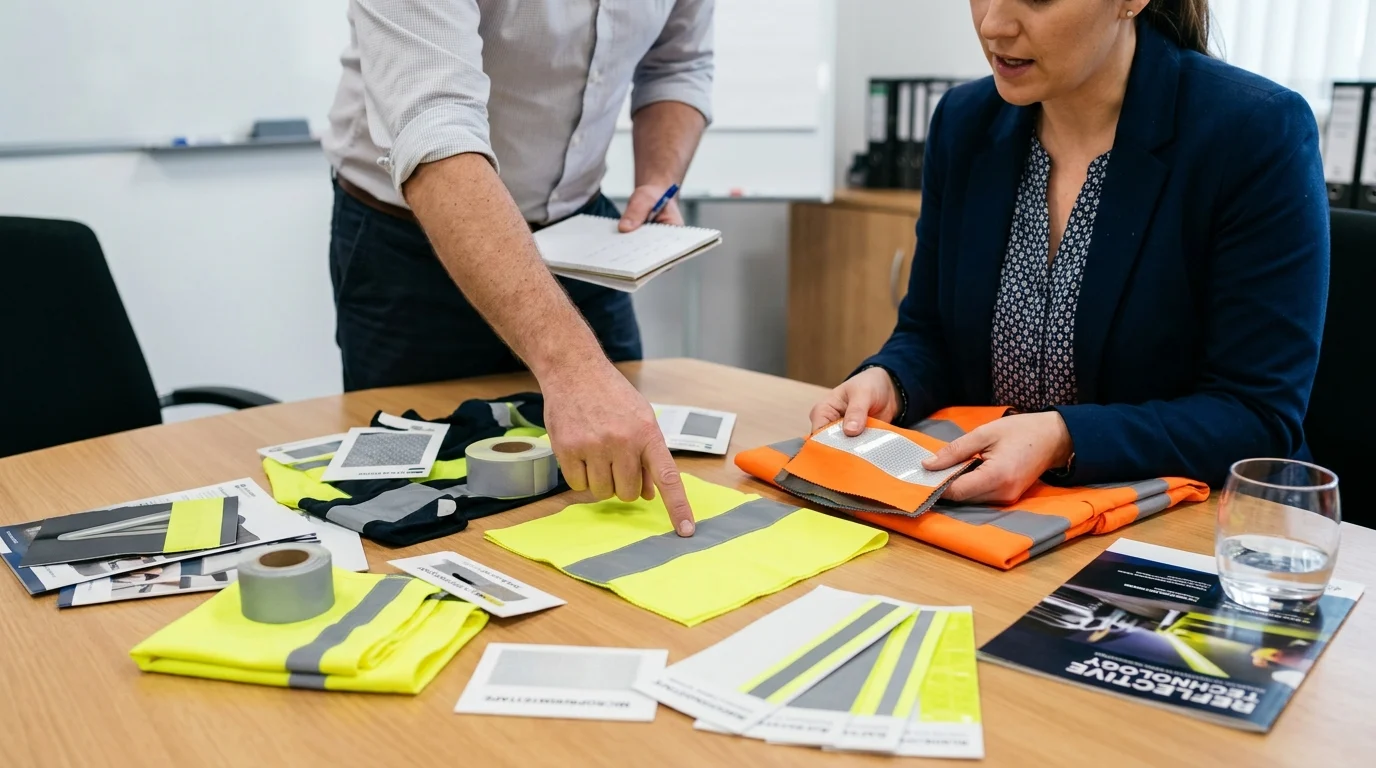
Ultimately, selecting the best reflective tape materials requires a holistic view of the garment’s operational environment. A mismatch between tape specification and end-use application leads to rapid degradation, wearer discomfort, and compromised worker safety.
Matching materials to industries and garment types
Heavy highway construction and offshore oil operations demand robust microprismatic tapes that shed water and resist heavy abrasion. Flame-resistant (FR) garments utilized in petrochemical or electrical utility sectors must utilize specialized aramid-backed glass bead tapes capable of withstanding convective heat exposure up to 260°C without melting, dripping, or igniting. For emergency medical services, police, and active roles requiring high mobility, segmented heat-transfer tapes provide the necessary ergonomic stretch and breathability.
Final decision guidance for balancing performance and cost
The final procurement decision must balance upfront material costs with the Total Cost of Ownership (TCO). While premium industrial-wash or custom-segmented tapes may carry an upfront cost premium of $0.50 to $1.20 per meter compared to standard domestic-wash variants, this investment frequently extends the compliant lifespan of the final garment by 30 to 40 percent. By significantly reducing the replacement frequency of high-visibility PPE, organizations achieve substantial long-term financial savings while maximizing worker visibility and safety in hazardous environments.
Key Takeaways
- The most important conclusions and rationale for Best Reflective Tape Materials
- Specs, compliance, and risk checks worth validating before you commit
- Practical next steps and caveats readers can apply immediately
Frequently Asked Questions
Which reflective tape material is best for highway or heavy-rain safety clothing?
Microprismatic tape is usually best. It delivers 700+ cd/lux/m² initial retroreflectivity, giving stronger long-distance visibility in rain and roadside conditions.
When should reflective tape be specified during garment development?
Specify it during the initial prototyping stage. Early selection helps avoid 45 to 60 days of delays and reduces the risk of non-compliant substitute materials.
How do glass bead and segmented reflective tapes differ?
Glass bead tape offers strong flexibility for general PPE. Segmented heat-transfer tape is lighter, stretch-friendly, and better for activewear or garments needing better breathability.
What wash durability should buyers look for in reflective tape?
Match durability to the laundry process. Domestic-use garments should target 50 washes at 60°C, while industrial garments may need 50 to 100 washes at 75°C with tunnel drying.
What compliance level should reflective tape meet for safety clothing?
Choose tape that maintains at least 330 cd/lux/m² after required testing. Verify alignment with EN ISO 20471 or ANSI/ISEA 107 based on your sales region.
Post time: May-07-2026